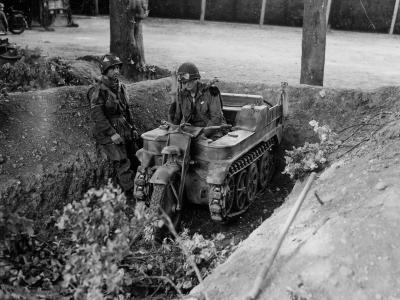
Kettenkrad
Click the thumbnails to enlarge them
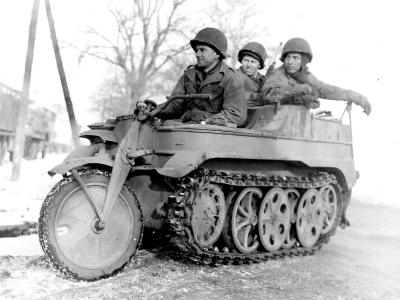
102nd Infantry Division GI's in captured Kettenrad Baesweiler 24 January 1945
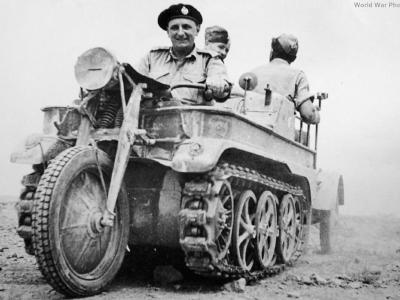
Captured Kettenkrad of DAK
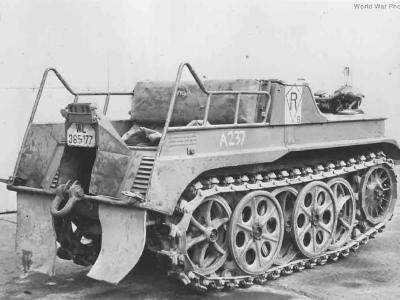
Captured Kettenkrad of Luftwaffe unit
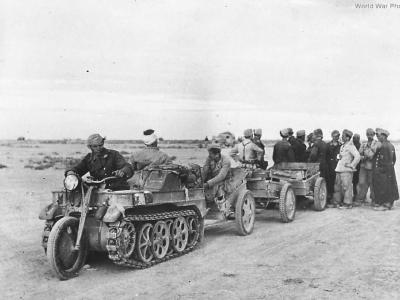
Italian soldiers ride SdKfz 2 to surrender to British in Egypt 1942
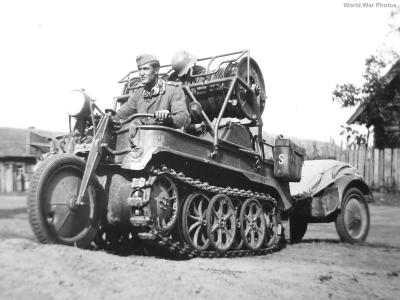
Kettenkrad 10
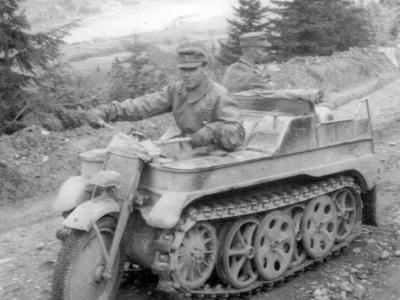
Kettenkrad 11
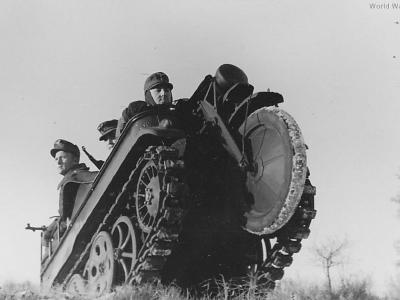
Kettenkrad 3
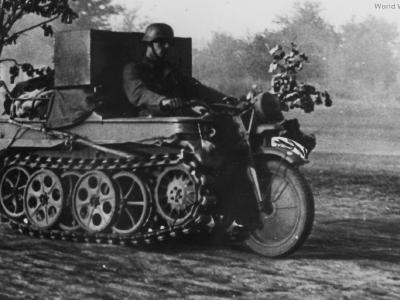
Kettenkrad 6
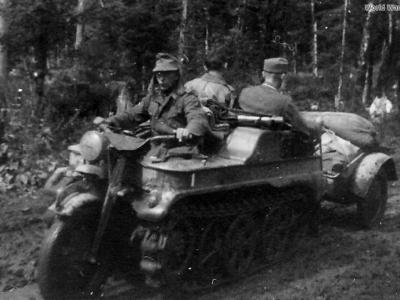
Kettenkrad 7
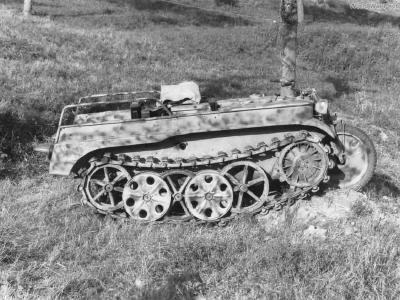
Kettenkrad 8
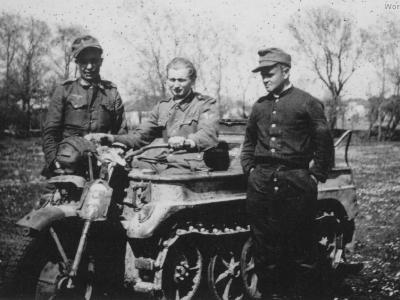
Kettenkrad 9
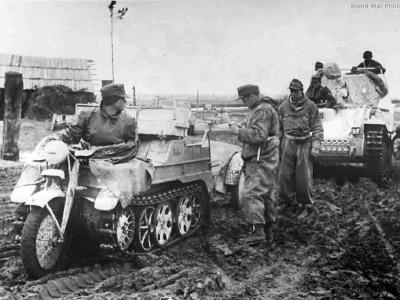
Kettenkrad and Marder III
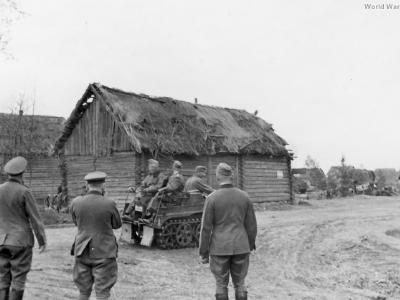
Kettenkrad Eastern Front 5
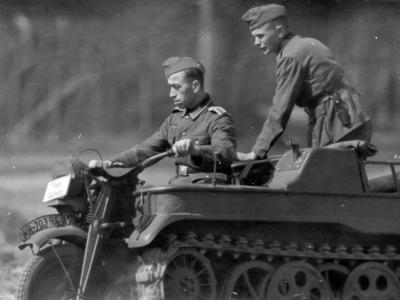
Kettenkrad fahrschule
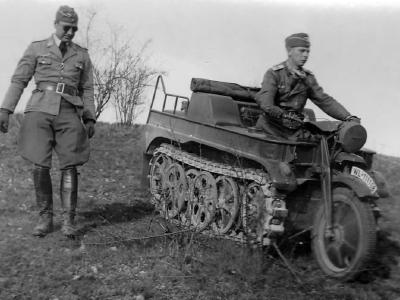
Kettenkrad from luftwaffe
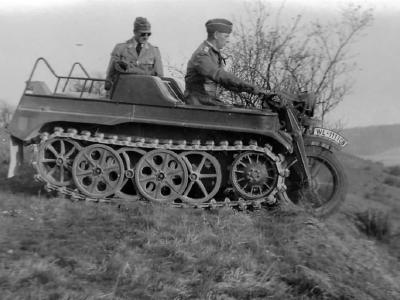
Kettenkrad from luftwaffe photo
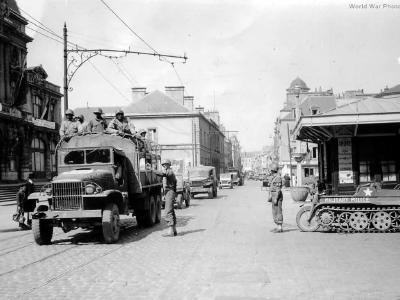
Kettenkrad in use by U.S. Military Police in Cherbourg
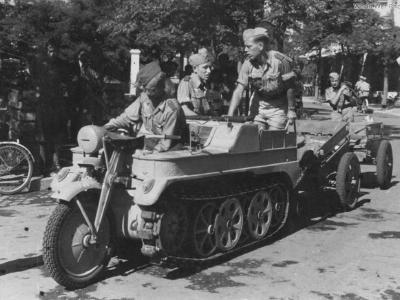
Kettenkrad Italy 1943
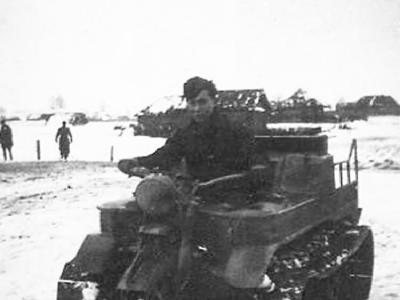
Kettenkrad January 1945
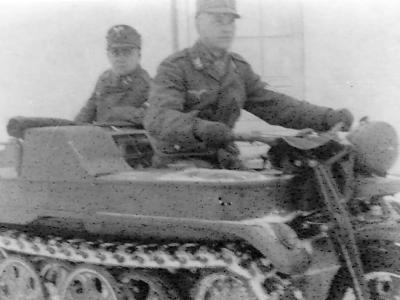
Kettenkrad NSU
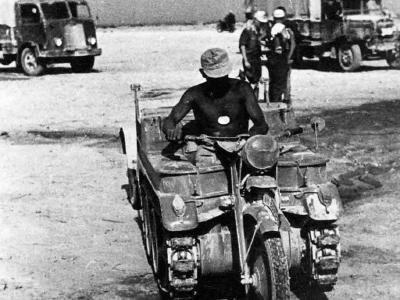
Kettenkrad of Afrika Korps 1942
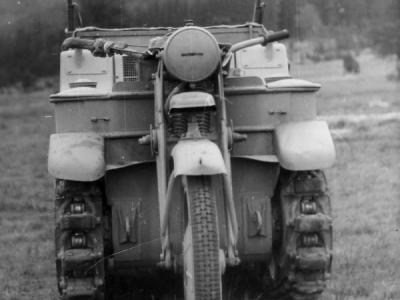
Kettenkrad of the 6th Panzer division 1942
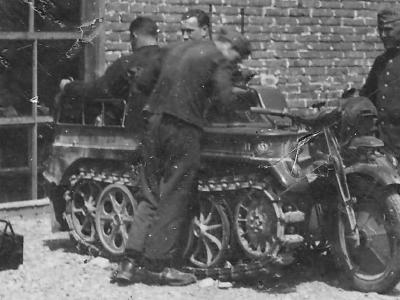
Kettenkrad sd kfz 2
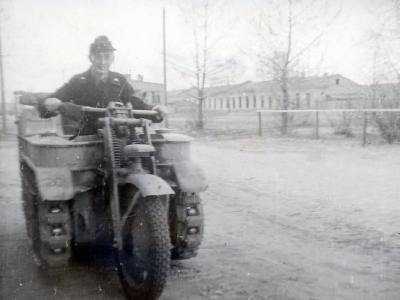
Kettenkrad Sd Kfz 2
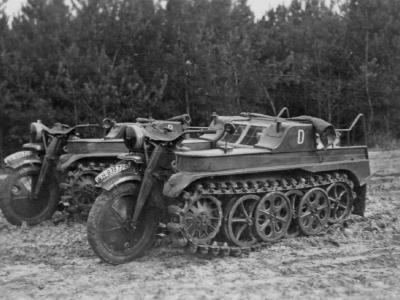
Kettenkrad SdKfz 2 NSU
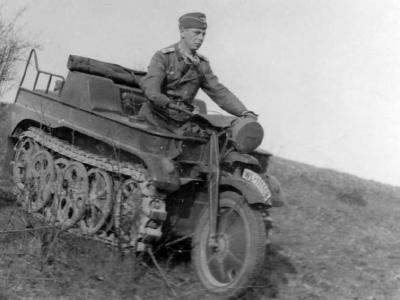
Kettenkrad sdkfz 2 of the Luftwaffe
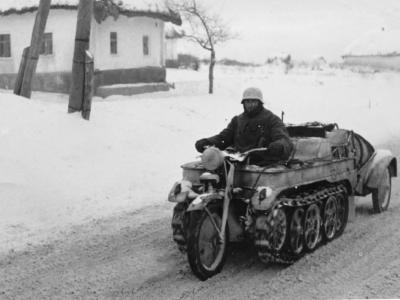
Kettenkrad SdKfz 2 towing trailer winter
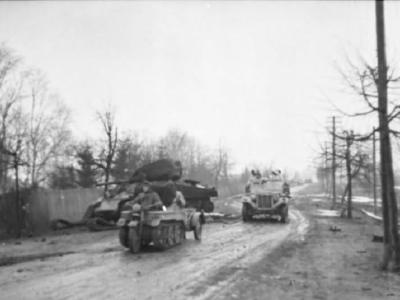
Kettenkrad SdKfz 2 with trailer
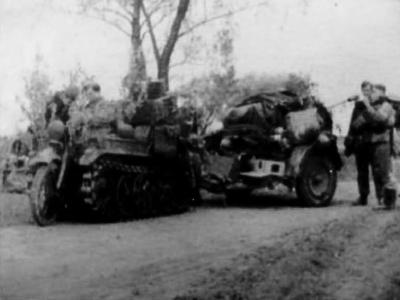
Kettenkrad towing flak 30
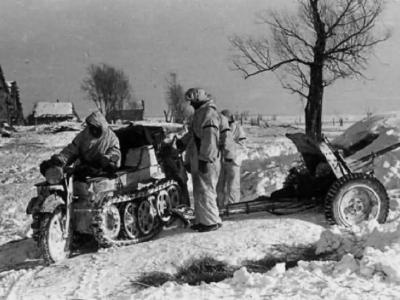
Kettenkrad towing PaK 35/36
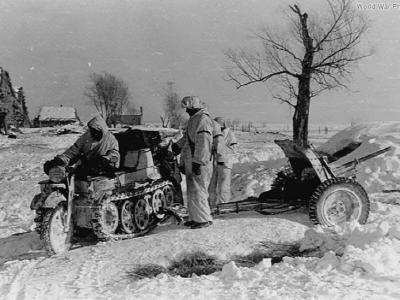
Kettenkrad with PaK 2
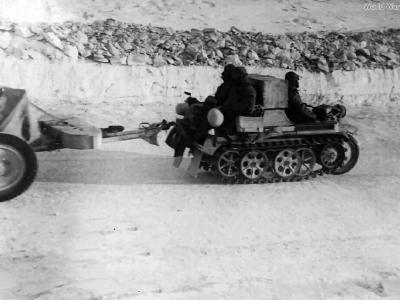
Kettenkrad with PaK Winter
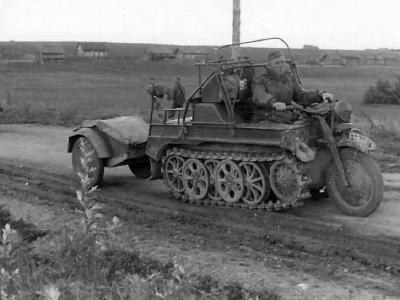
Kettenkrad with Sonderanhanger and Horch 901
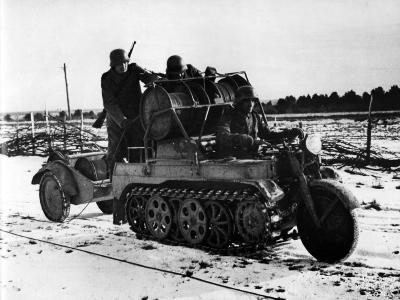
Kettenkrad with trailer
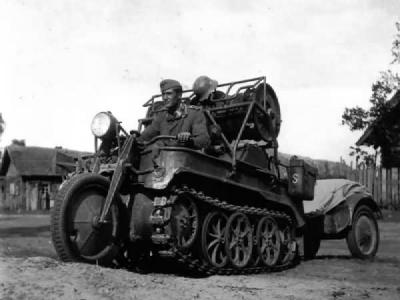
Kettenkrad with trailer Sd Anh 1
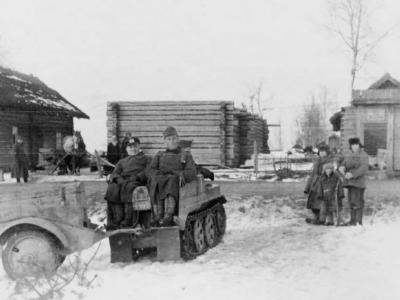
Kettenkrad with trailer Sd Anh 1 Russia
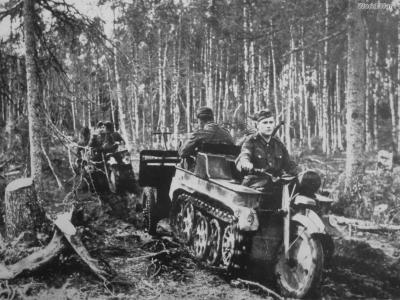
Kettenkrads Karelia
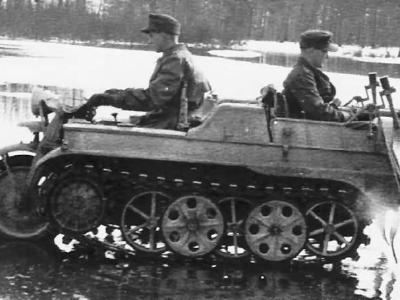
Kleines Kettenkraftrad HK 101 during trials
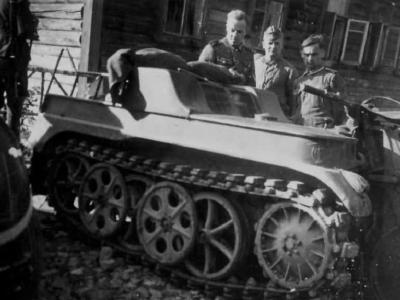
NSU Kettenkrad
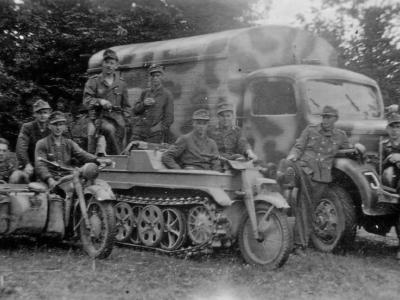
NSU Kettenkrad 2
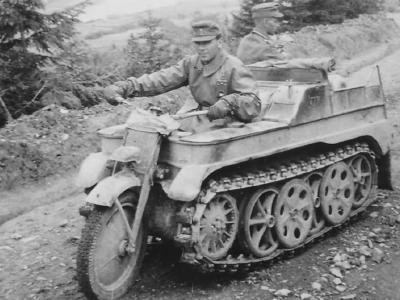
NSU Kettenkrad 4
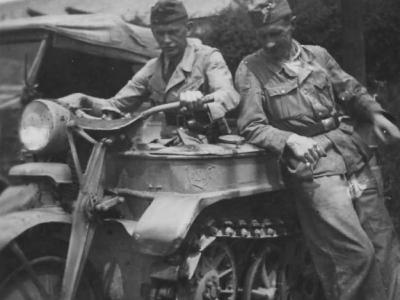
NSU Kettenkrad 8
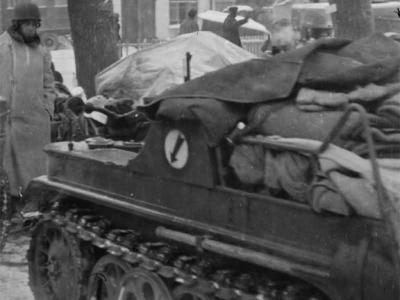
NSU Kettenkrad HK101 SdKfz 2 FJ Fsch.Art.Rgt Fallschirmjager Division
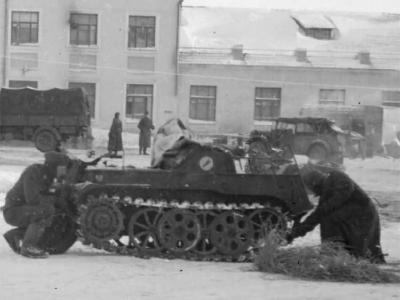
NSU Kettenkrad HK101 SdKfz 2 FJ Fsch.Art.Rgt.1 Fallschirmjaeger Div
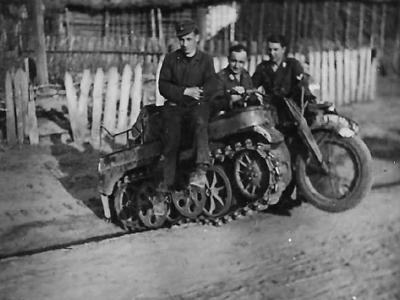
NSU Kettenkrad of Luftwaffe
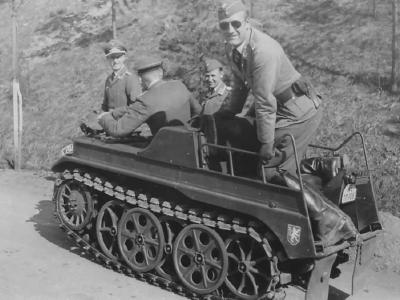
NSU Kettenkrad of the Luftwaffe
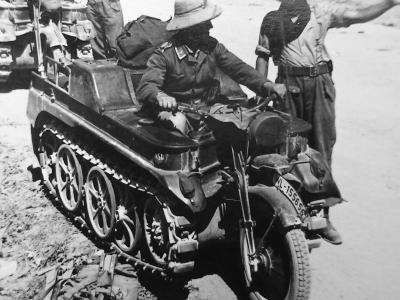
NSU Kettenkrad of the Luftwaffe Kreta Greece
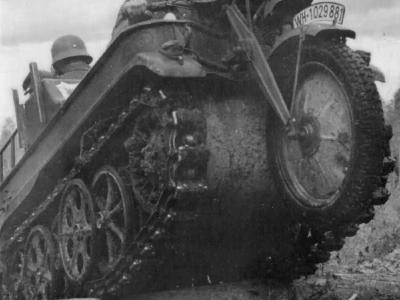
NSU Kettenkrad of the Wehrmacht
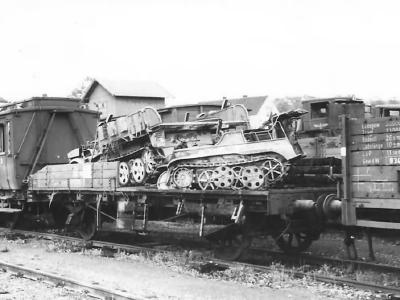
NSU Kettenkrad on railroad flat car
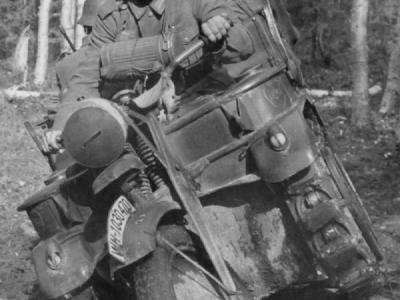
NSU Kettenkrad WH-1030470
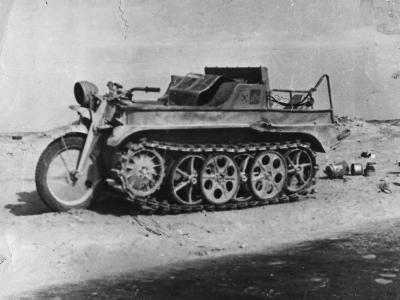
SdKfz 2 abandoned by Germans in North Africa
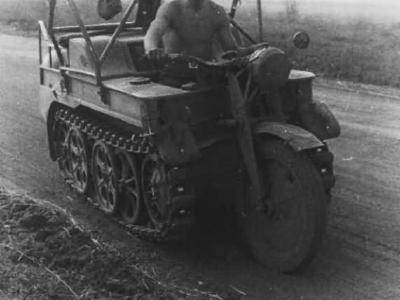
SdKfz 2 kettenkrad NSU
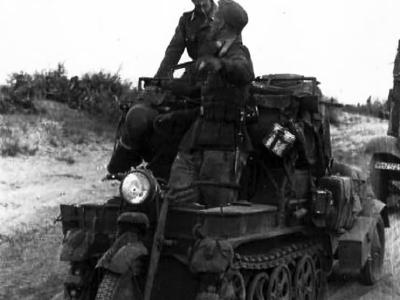
SdKfz 2 Kettenkrad with trailer
kleines Kettenkraftrad Sd.Kfz. 2 Kettenkrad was originally designed as a civil machine but in 1939 NSU Werke AG project gained support of a German Army. That vehicle was planned to be used as a light artillery tractor and a transporter in hard all-terrain conditions. First representatives of that little tractor were launched to the service in 1940 (so called 0 series). The prototype was marked as Vs.Kfz.620. It was a small but technologically complex vehicle which could take three people including a driver who was sitting at the front. Relatively long tracks occupied all side of the vehicle. The engine was placed under and behind a driver. Two passengers sat at the back, backwards. Towed equipment was linked by a device at the back of the vehicle. Except light cannons a machine could also tow a specially designed small trailer for ammunition or fuel. Sometimes back seats were removed to make more space for load. When Kettenkrad was introduced to weaponry it was mainly to be used by airborne troops. Losses suffered during the invasion in Crete caused that German parachute units fought later as land divisions, that is why having a light artillery tractor was already not essential for them. In this connection Kettenkrad was used mostly as a transport vehicle on such areas where other machines moved with difficulty. However, that vehicle could drive in wilderness, including mud and sand but it took little load and the weight of a towed trailer was limited to 450 kg. Kettenkrad was also used by Luftwaffe to tow planes and protect the airfields. The vehicle was manufactured until the end of war and a number of manufactured Sdkfz 2 was 8411. The construction was so successful that production was renewed in 1947 and during warfare captured representative vehicles were commonly used by the Allais’ armies.
Bibliography:
- Das Kettenrad von NSU - H HK-101 Sd.Kfz.2 - Horst Hinrichsen, Waffen-Arsenal 148, odzun-Pallas-Verlag 1994
- The Kettenkrad Sd.Kfz.2 - Type HK-101 - Friedhelm Abel, Schiffer Military History Vol. 38
- Die Halbkettenfahrzeuge des Deutschen Heeres 1909 - 1945 - Walter J. Spielberger, Motorbuch Verlag 1993