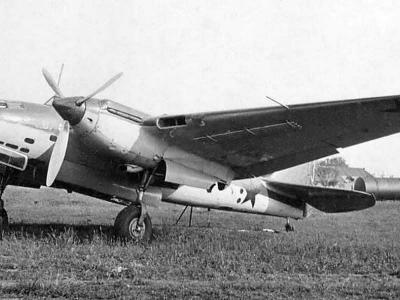
Ar-2
Click the thumbnails to enlarge them
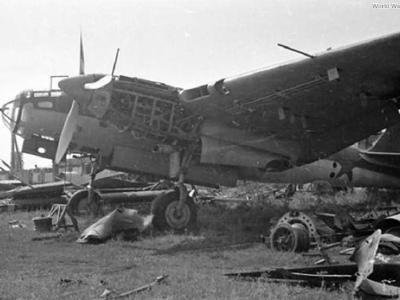
Abandoned Ar-2 21
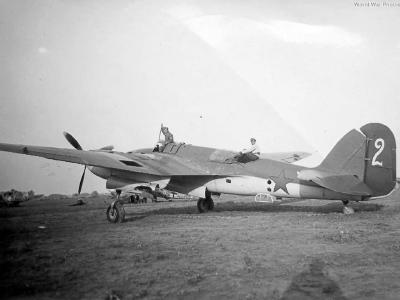
Ar-2 "White 2" 1941
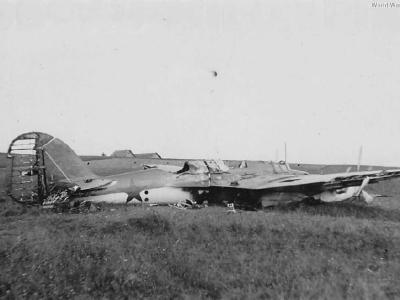
Ar-2 1
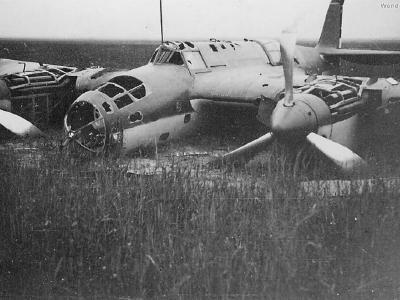
Ar-2 18
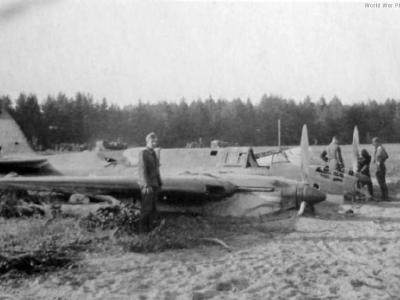
Ar-2 8
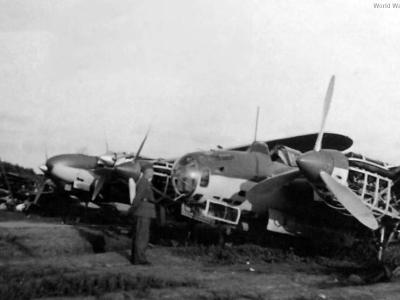
Ar-2 and Tupolev USB
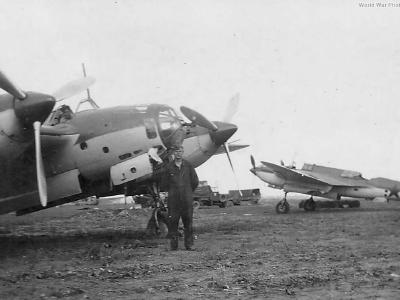
Ar-2 bombers
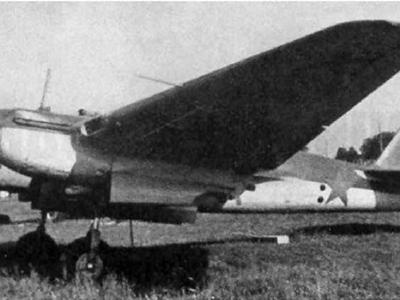
Ar-2 code 3, Šiauliai 1941
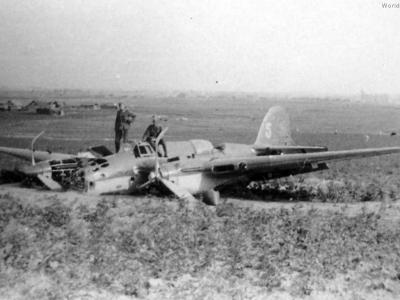
Ar-2 code 5
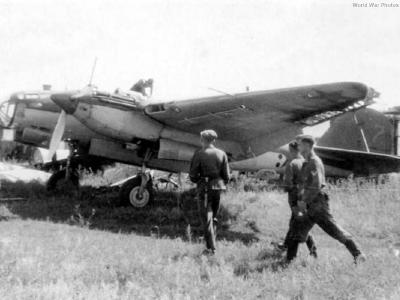
Ar-2 code 7
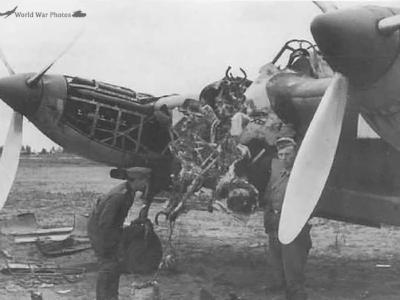
Ar-2 coded 9
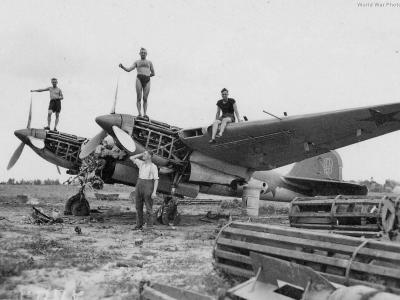
Ar-2 coded 9, 1941
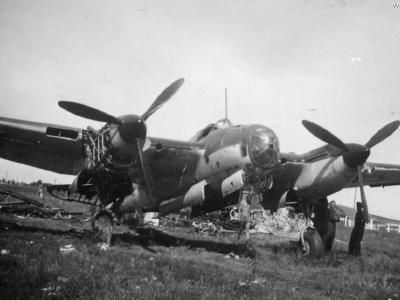
Ar-2 frontal view
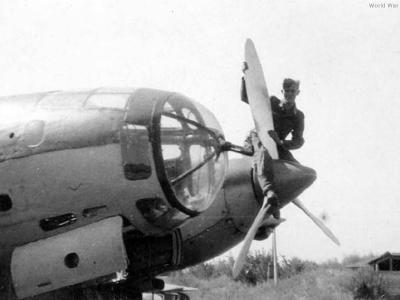
Ar-2 nose
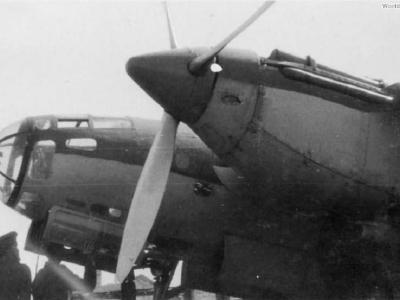
Ar-2 nose and engine
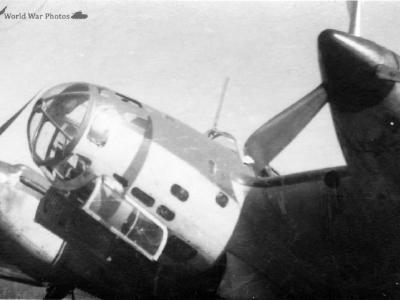
Ar-2 nose and engine
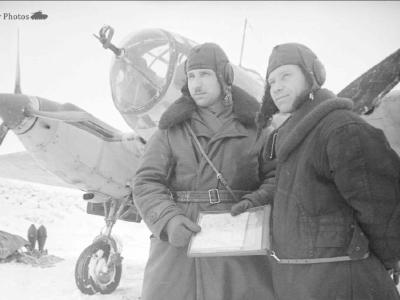
Ar-2 of the 33 BAP, Winter 1942
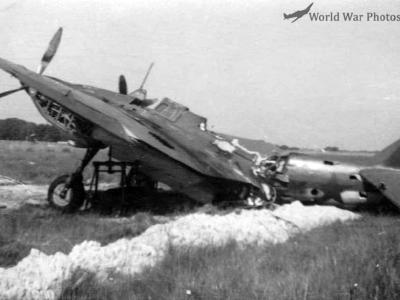
Ar-2 of the 73 BAP Parnu 1941
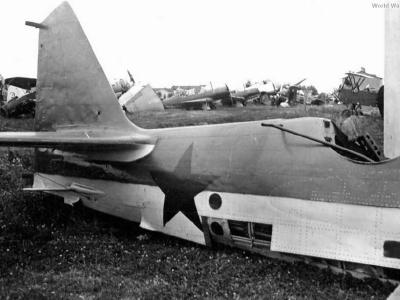
Ar-2 tail
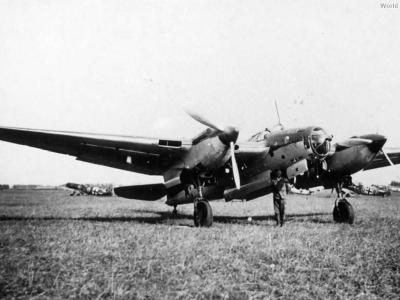
Arkhangelsky Ar-2 on the ground
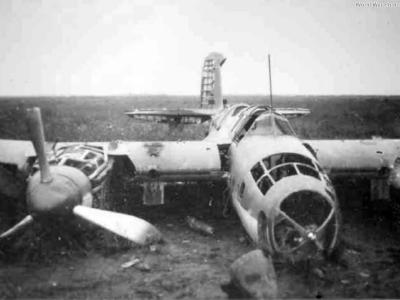
Destroyed Ar-2 10
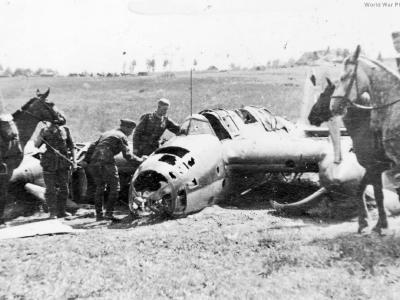
Destroyed Ar-2 25
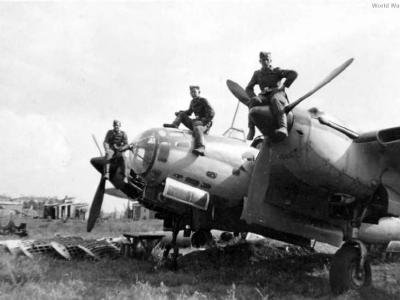
German soldiers posing with Ar-2
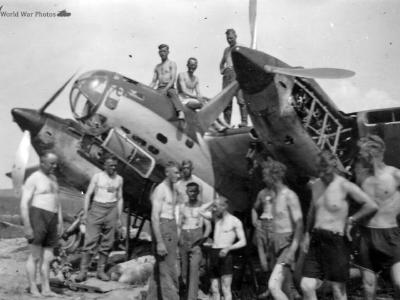
German soldiers posing with Ar-2
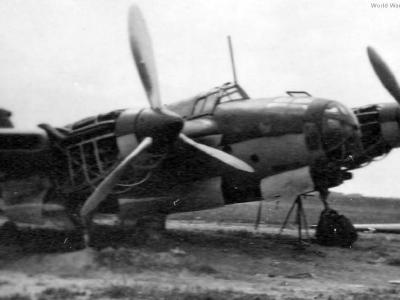
Soviet dive-bomber Ar-2
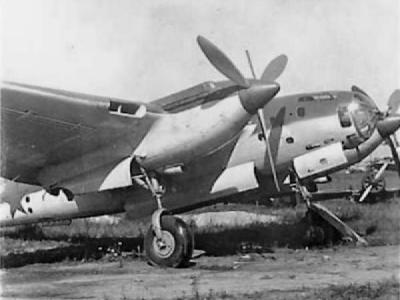
Soviet dive-bomber Ar-2 20
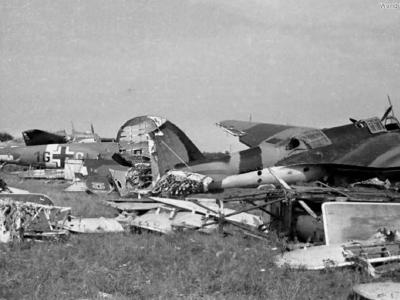
Wrecks of Ar-2 and He 111
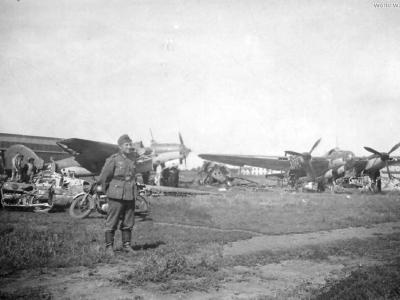
Wrecks of Ar-2 bombers
The Arkhangelskiy Ar-2 represents the final developmental stage of the Tupolev SB series, serving as a specialized high-speed dive bomber during the early years of the Great Patriotic War. Developed from the SB-RK (Radiatory-Krylo) prototype, the aircraft was the result of extensive aerodynamic refinement intended to adapt the aging SB platform to modern tactical requirements. Its designation change from SB-RK to Ar-2 in early 1940 followed a directive from I.V. Stalin to rename aircraft using the initials of their chief designers—in this case, Aleksandr Arkhangelskiy.
Technical and Aerodynamic Innovations
Architecturally, the Ar-2 differed significantly from standard SB production models. Its wingspan was reduced to 18 meters and the wing area decreased to 48.2 square meters, modifications designed to enhance speed and handling during high-stress maneuvers. A pivotal structural change was the relocation of the water-cooling radiators from the engine cowlings to the leading edges of the outer wing panels. This "slim-nacelle" configuration significantly reduced drag and provided the aircraft with a more streamlined profile.
To fulfill its role as a dive bomber, the Ar-2 was equipped with specialized dive brakes consisting of oval-section steel tubes mounted under the outer wing sections. These brakes were controlled by a pneumatic system that deployed them perpendicularly to the airflow during a dive. Furthermore, the aircraft featured an automatic dive-recovery system and a completely redesigned fuselage nose that improved visibility and facilitated direct communication between the pilot and navigator.
Powerplant and Performance
The aircraft was powered by two Klimov M-105 liquid-cooled engines, each delivering 1,050 hp at takeoff. This powerplant allowed the Ar-2 to achieve maximum speeds between 475 km/h and 512 km/h at altitude, a marked improvement over its predecessors. The aircraft maintained a service ceiling of approximately 10,500 meters.
Armament and Ordnance
The defensive suite of the Ar-2 consisted of three 7.62mm ShKAS machine guns. These were positioned in a single-gun "NU"-type nose turret, a TSS-1 dorsal turret, and an MV-2 retractable ventral mount. For offensive operations, the Ar-2 could carry a maximum bomb load of 1,500 kg. This ordnance was carried both internally and on external NP-1 racks located under the wings.
Production and Operational Service
Series production was officially launched at Aircraft Factory No. 22 in late 1940. Records indicate that approximately 190 to 200 units were completed by the time production ceased in early 1941.
The Ar-2 saw its first combat trials as prototypes during the Soviet-Finnish Winter War, where they were employed in dive-bombing sorties against strategic infrastructure such as bridges. By the onset of Operation Barbarossa on June 22, 1941, approximately 120 Ar-2s were in active service with frontline units. These aircraft were deployed across the Leningrad, Baltic, and Kiev Military Districts. During the initial stages of the conflict, Ar-2 units conducted counter-offensive strikes against German motorized columns and bridgeheads. However, the type suffered heavy attrition due to intense air opposition and its inherent technical limitations compared to modern fighters.
Legacy
Ultimately, the Ar-2 was considered a transitional design. Production was phased out in early 1941 in favor of the more advanced Petlyakov Pe-2, which better fulfilled the Soviet Air Force's requirements for a modern tactical dive bomber. Surviving Ar-2 aircraft continued to serve in secondary liaison and reconnaissance roles until at least 1943.