Tupolev USB of the 33rd BAP
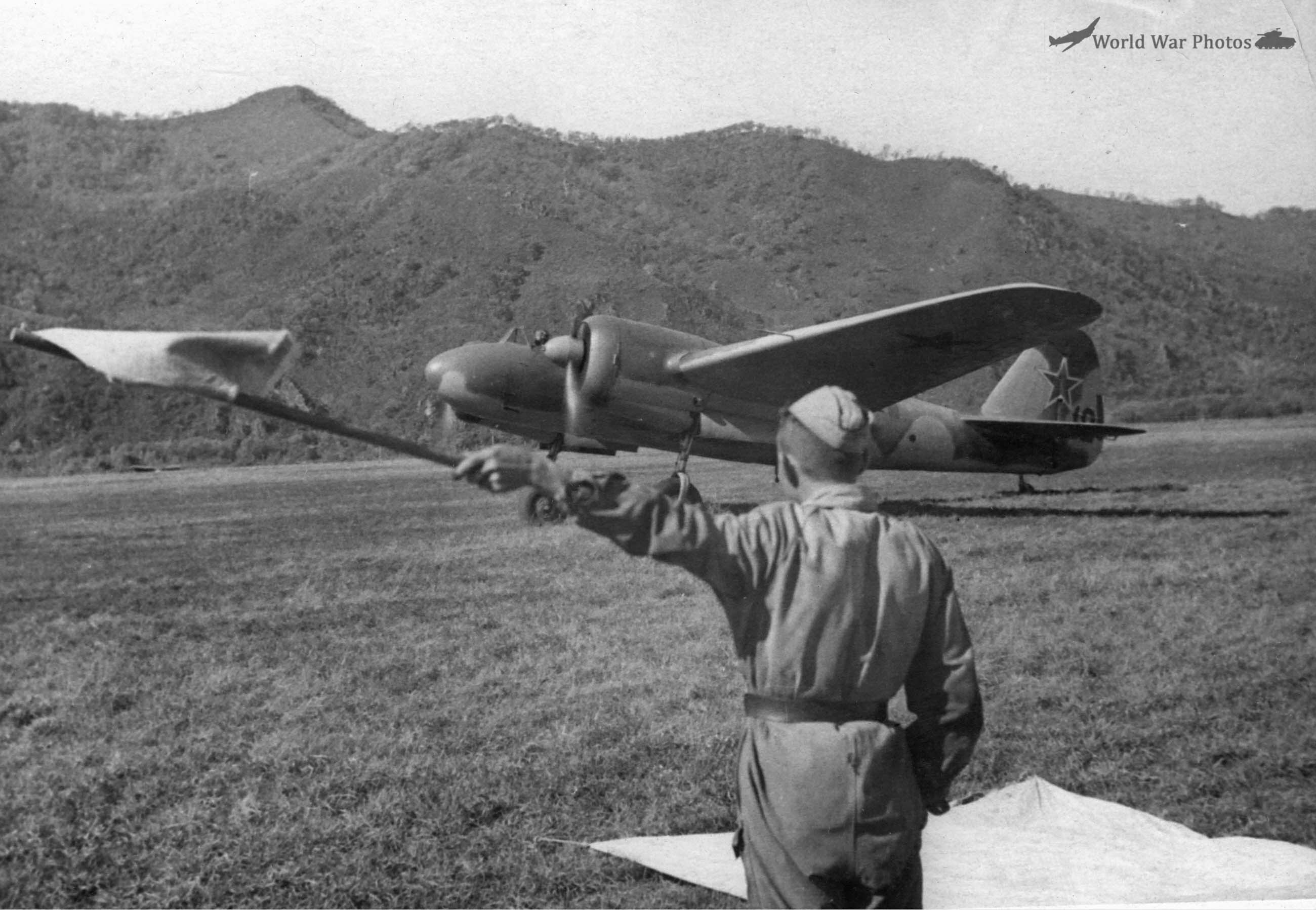
Tupolev USB of the 33rd BAP
The USB (Uchebno Skorostnoi Bombardirovshchik; Trainer Fast Bomber) was the specialized dual-control training variant of the Tupolev SB, designed to facilitate pilot transition to the high-performance bomber. While the first SB bombers entered service in early 1936, the trainer version did not emerge until approximately two years later, as the complexity of the aircraft necessitated a dedicated instructional platform.
Technical Design and Configuration
The most significant architectural modification of the USB was the complete redesign of the fuselage's F-1 nose section. The standard glazed navigator’s compartment was removed and replaced by an open cockpit for the instructor.
- Instructor’s Cockpit: This seat was positioned immediately forward of the student's (pilot) cockpit. It was equipped with a simple three-sided or flat-glazed windshield to protect the instructor from the airstream, though it lacked a sliding canopy. Comfort was minimal, with cockpit edges covered in upholstered protective padding and a basic flight instrument panel.
- Dual Controls: The instructor’s cockpit featured identical flight instruments and controls to those in the pupil’s cockpit. A critical safety feature ensured that the rear (student) cockpit controls were automatically disconnected whenever the instructor took command of the aircraft.
- Communication and Access: Despite its role as a trainer, the USB initially lacked an internal intercom system between the two cockpits. Access to the forward instructor’s seat was achieved using a ladder through the open ventral hatch doors.
- Undercarriage: The prototype USB was fitted with a non-retractable ski undercarriage for testing, a feature also found on some early production units intended for winter operations.
Production and Conversions
The USB prototype, based on a standard production SB-2-M-100-A with three-blade propellers, was built at Aircraft Factory No. 22 in Fili and underwent State Acceptance Trials between March 11 and 16, 1938.
Mass production of the USB as a standalone airframe was limited. Instead, Aircraft Factory No. 22 manufactured conversion sets to be installed on existing aircraft or integrated into the production line:
- In 1938, the factory produced 110 training cockpits; 29 were installed on new production SBs, while the remaining 81 were distributed to Air Force units as field conversion kits.
- The majority of USBs in service were field conversions of the more advanced SB-2-M-103 bombers.
Operational History and Research
The USB was indispensable for the VVS (Voyenno-Vozdushniye Sily) because the aging R-6, previously used for transition training, was no longer suitable for preparing pilots for the SB's high speeds. Beyond pilot instruction, the USB's unique open-nose configuration was utilized for safety research. In 1942–1943, the aircraft was used to test the most effective methods for crews to bail out of the SB, with researchers filmed jumping from the forward instructor’s cockpit to analyze the egress path along the fuselage.
Foreign Service
Several foreign air forces operated the USB variant:
- Finland: The Ilmavoimat (Finnish Air Force) captured eight SBs during the Winter War. In 1943, they converted one captured SB-2-M-103 into a trainer (initially registered as VP-1, later SB-8 and SB-6), which remained in service until February 1945.
- Poland: Following the end of World War II in 1945, the Soviet Union supplied five USBs to the Aviation Officers School at Dęblin. These units were eventually retrofitted with 1100 hp Klimov M-105 engines and modified exhaust systems, remaining in active service until August 1949—longer than in any other nation outside the USSR.