da 75/18
Click the thumbnails to enlarge them
Abandoned StuG 42 Yugoslavia 1944
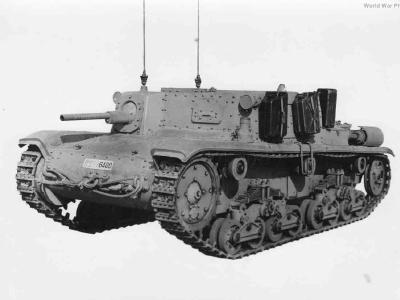
aerocooperazione Carro comando M 41 RE6400
Beute StuG 75/18 M41 code 233
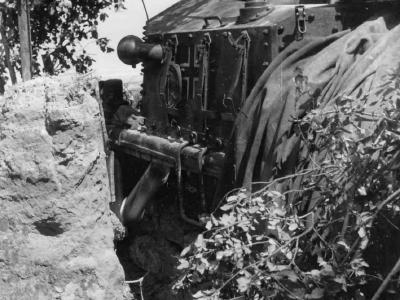
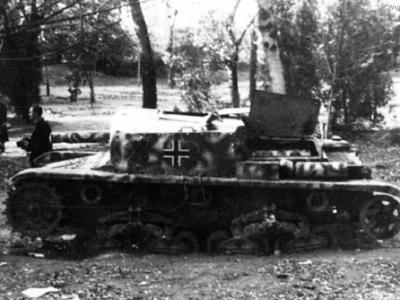
Camouflaged StuG M 42 75/18
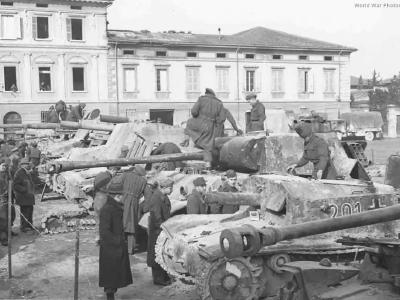
Captured StuG 42 201, Pz.Jg.Abt 278 from 278 Infanterie Division, Forli, Italy January 1945
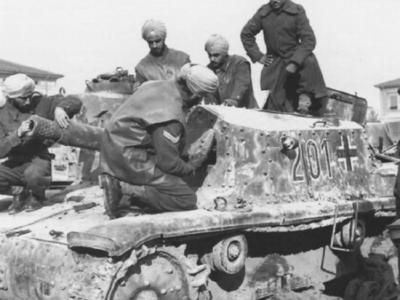
Captured StuG M 42 201 from 278 Infanterie Division
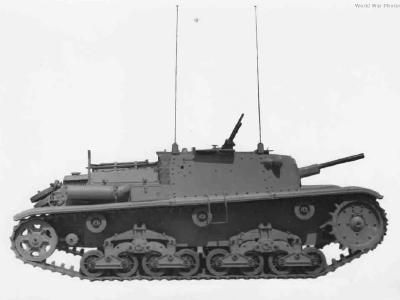
Carro comando M 41
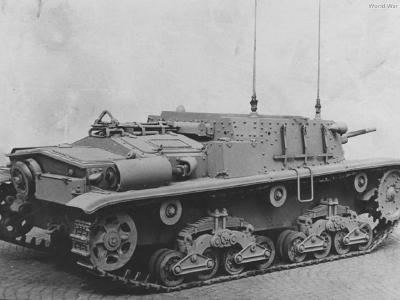
Carro comando M 41 2
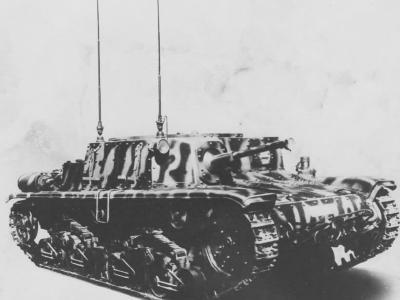
Carro comando M 41 3
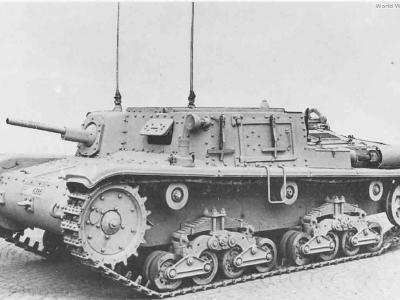
Carro comando M 41 aero cooperazione variant
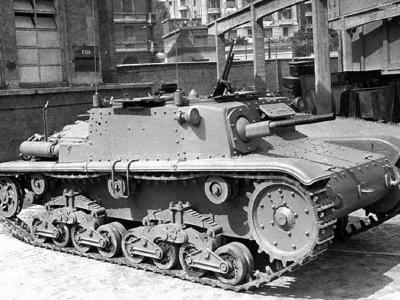
Carro comando M 41 Ansaldo factory
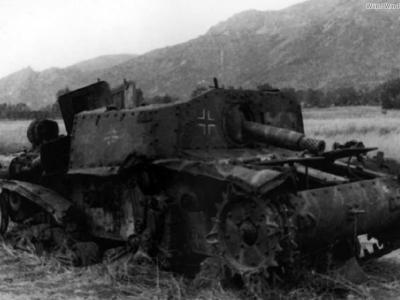
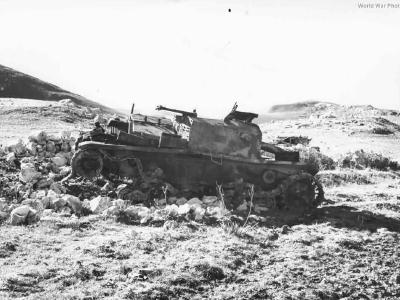
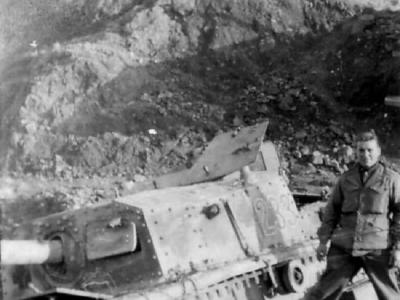
Destroyed StuG M 42
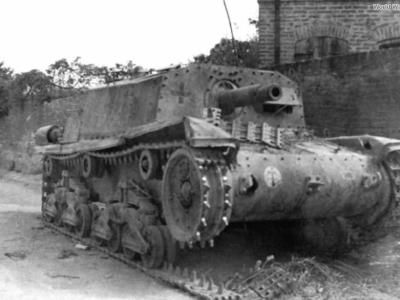
Destroyed StuG M42 75/18 4
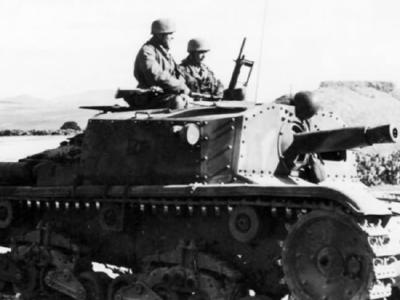
Fallschirmjagers riding beute semovente Sepember 1943
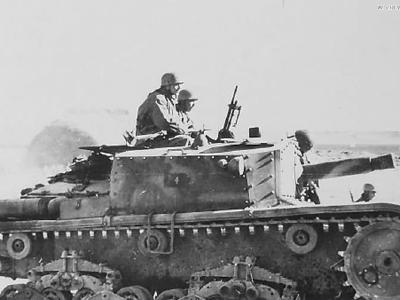
Fallschirmjagers riding beute semovente Sepember 1943 2
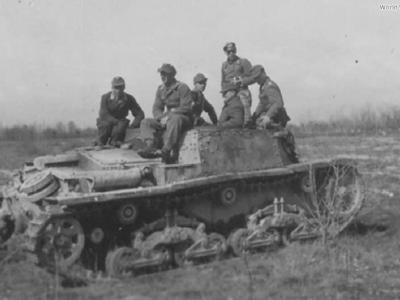
German Carro comando M 41 - Panzerbefehlswagen M41 771 (i)
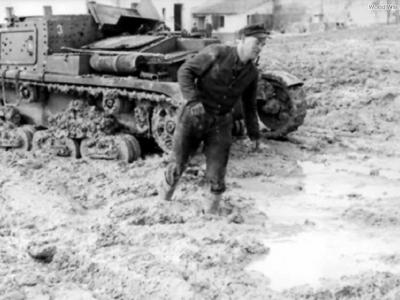
German StuG M 42
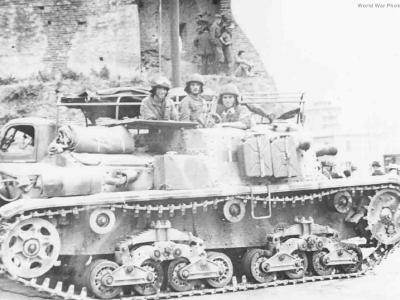
Italian crew with Semovente M42 da 75/18 1943
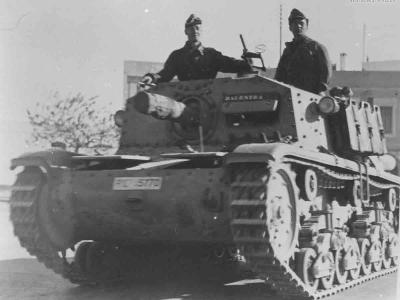
M41 da 75/18 RE 5770
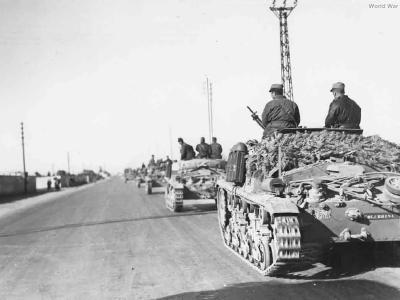
M41 da 75/18 RE5798 Tunisia 1943
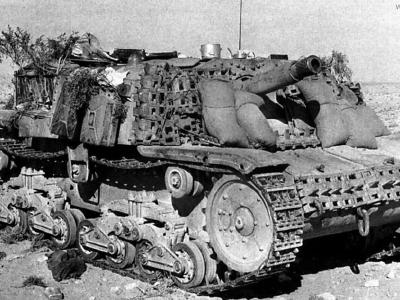
Sandbagged Semovente M 40 da 75/18. North Africa
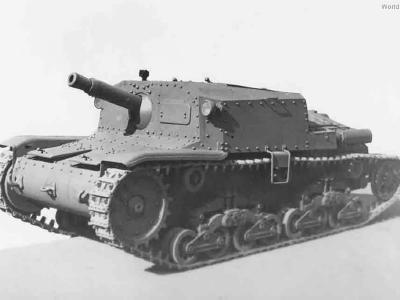
Semovente da 75/18 2
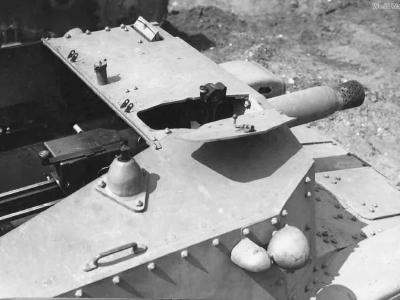
Semovente da 75/18 4
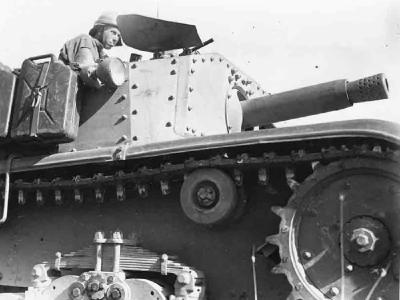
Semovente da 75/18 8
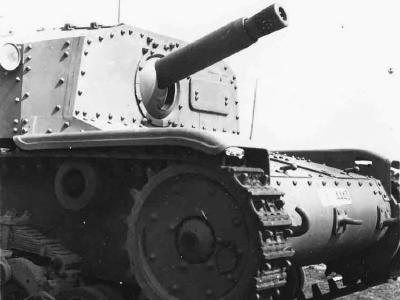
Semovente da 75/18 M40 RE4443
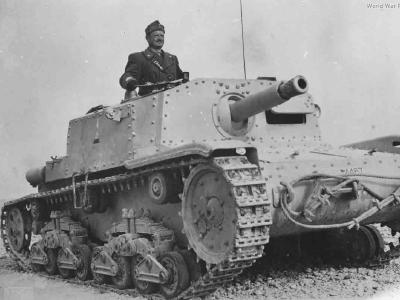
Semovente da 75/18 M40 RE4467 1942
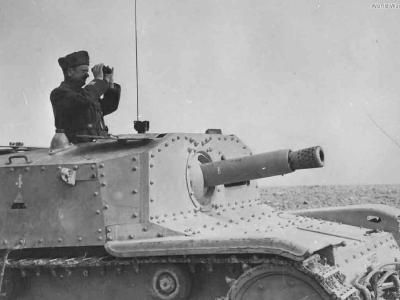
Semovente da 75/18 M40 RE4467 1942 2
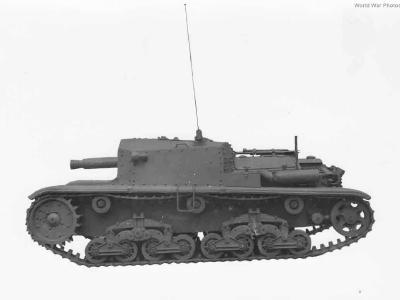
Semovente da 75/18 M41 3
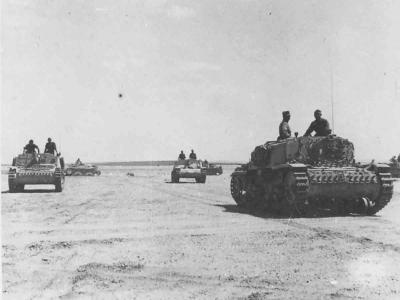
Semovente da 75/18 North Africa 1942 6
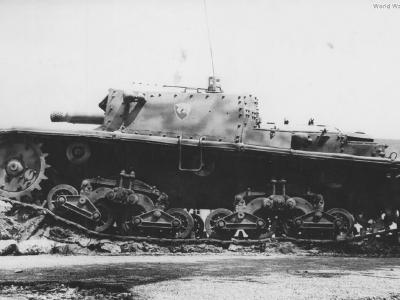
Semovente da 75/18 of the Ariete Division
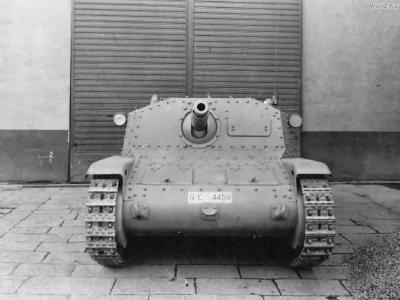
Semovente da 75/18 RE4459

Semovente da 75/18 self-propelled guns, North Africa 1942
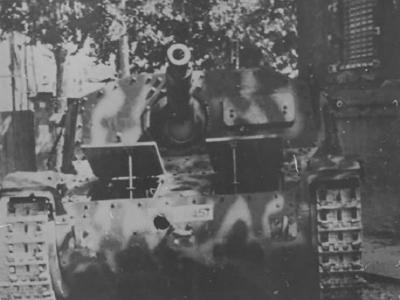
Semovente da 75/18 September 1943 Rome
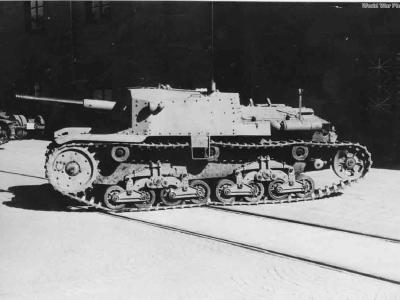
Semovente da 75/32 prototype
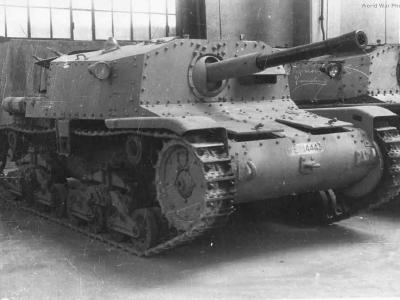
Semovente da 75/32 RE4443
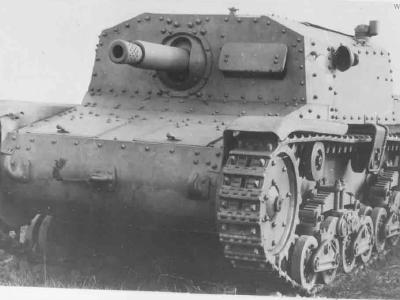
Semovente M 40 da 75/18 front view 2
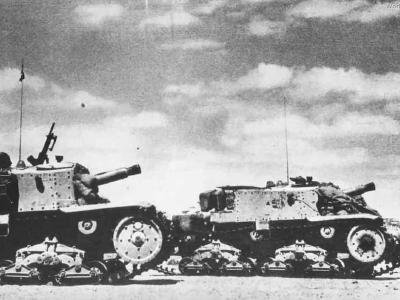
Semovente M 40 da 75/18 guns 3
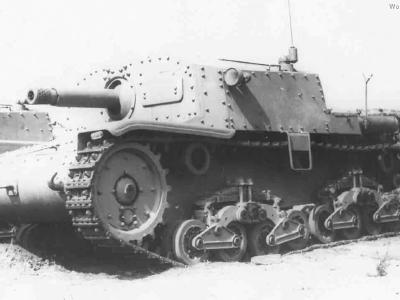
Semovente M 40 da 75/18 side
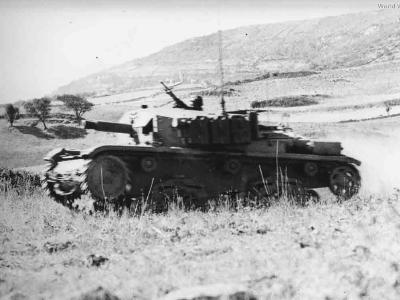
Semovente M 41 da 75/18 2
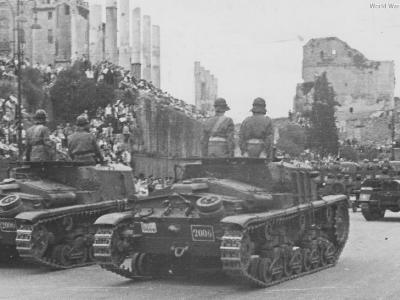
Semovente M 41 da 75/18 military parade in Rome 2
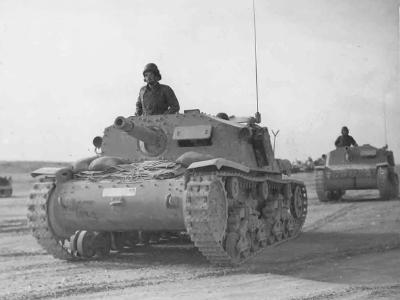
Semovente M40 da 75/18 Africa
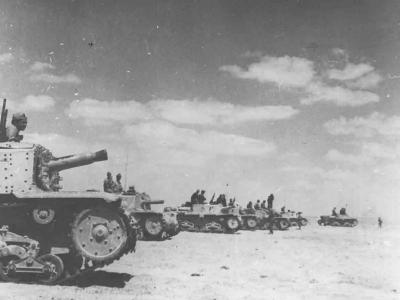
Semovente M40 da 75/18 guns North Africa 1942
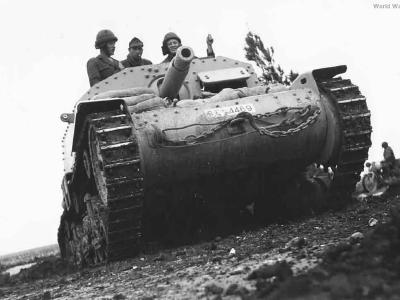
Semovente M40 da 75/18 RE4469, frontal view
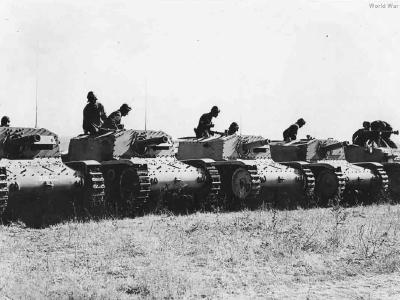
Semovente M40 da 75/18 self-propelled guns lined up
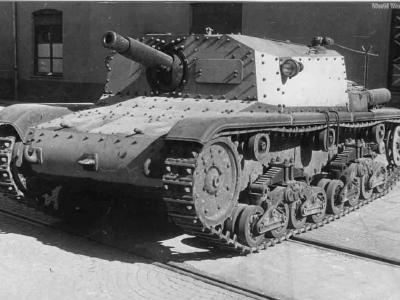
Semovente M41 da 75/18 Ansaldo factory 1942
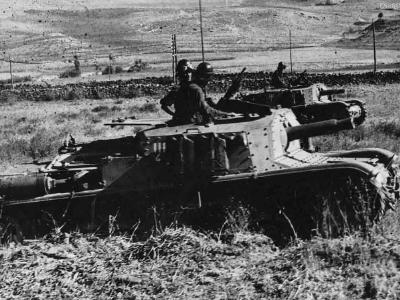
Semovente M41 da 75/18 guns 4
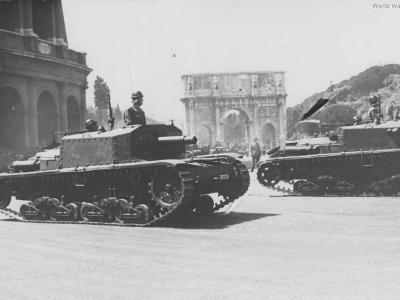
Semovente M41 da 75/18 military parade in Rome
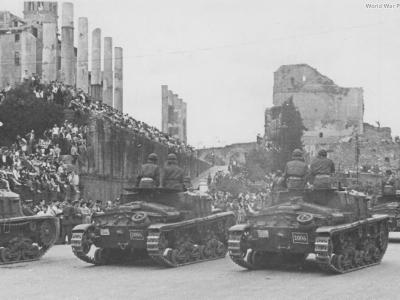
Semovente M41 da 75/18 military parade in Rome 3
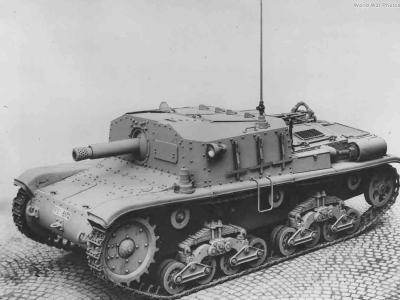
Semovente M42 da 75/18 RE6172
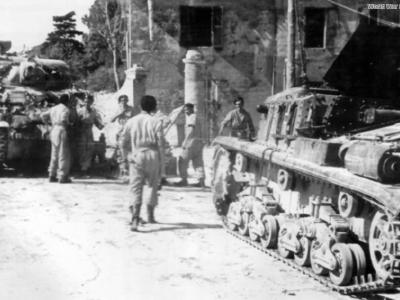
StuG 42 and M4 Sherman
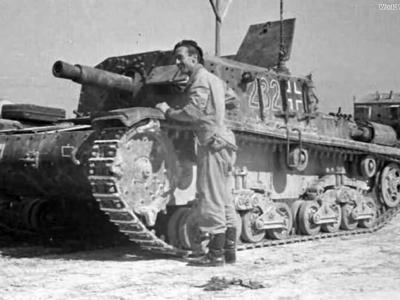
StuG 42 code 232 of the 278. Infanterie-Division 1944
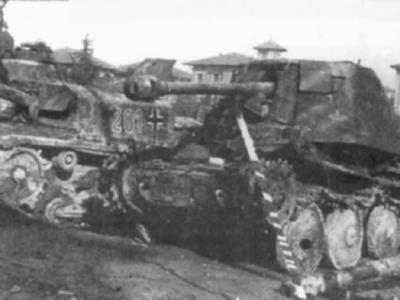
StuG M 42 201 of the from 278 Infanterie Division, Forli 1945
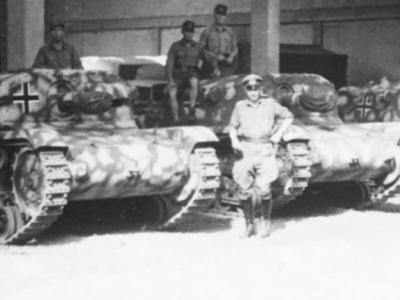
StuG M 42 of 7. SS-Freiwilligen Gebirgs-Division "Prinz Eugen"
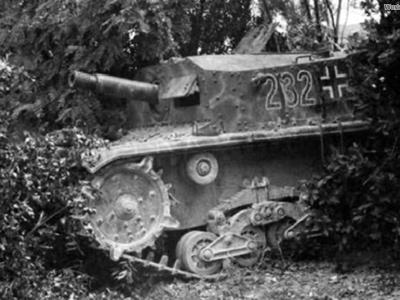
StuG M42 mit 7,5 KwK L 18 850(i) 232 2
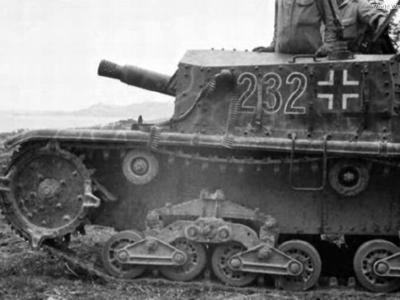
StuG M42 mit 7,5 KwK L 18 850(i) 232 of 278. Infanterie-Division
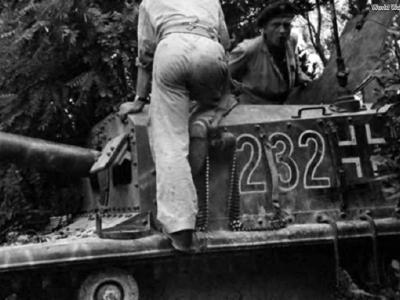
StuG M42 mit 7,5 KwK L 18 850(i) 232 of 278. Infanterie-Division 3
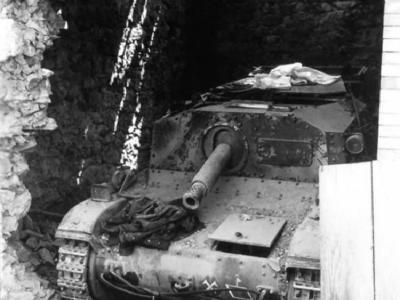
StuG M42 of the 71. Infanterie-Division Italy
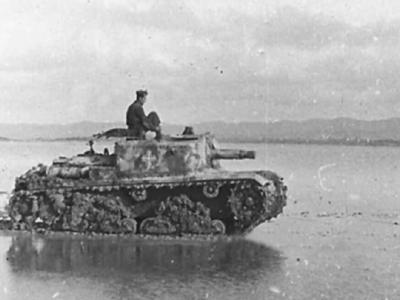
Sturmgeschütz M42 850(i)
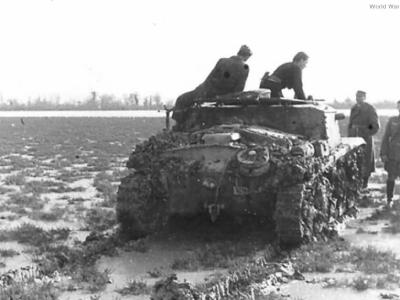
Sturmgeschütz M42 850(i) 2
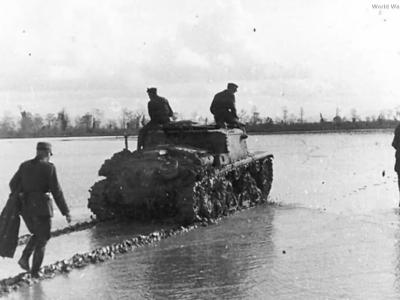
Sturmgeschütz M42 850(i) 3
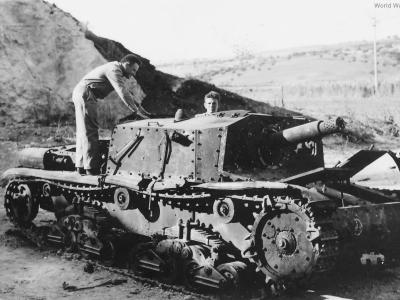
Wreck of Semovente da 75/18 Naples 1944
The Semovente da 75/18 was the first Italian self-propelled gun produced in series during World War II and is widely considered one of the most effective armored fighting vehicles deployed by the Regio Esercito. This vehicle represented a critical evolution in Italian armored doctrine, transitioning from a focus on light, machine-gun-armed tanks to mobile artillery capable of engaging modern Allied armor.
Development and Origins
The concept for the Semovente da 75/18 was heavily inspired by the German Sturmgeschütz (StuG) assault guns, which demonstrated significant success during the campaigns in May and June 1940. In early 1941, Ansaldo proposed a turretless variant of the medium tank chassis to house a more powerful gun in a casemate. A wooden mock-up was presented in January 1941, followed quickly by the first prototype in February. The vehicle utilized the existing chassis, suspension, and engines of the Italian medium tank series, specifically the M 13/40, M 14/41, and later the M 15/42.
Technical Specifications
The primary armament was the 75/18 Model 1934/35 howitzer, originally developed as a field piece. To adapt it for use in a self-propelled platform, several modifications were made, including the addition of a characteristic perforated muzzle brake to limit recoil travel to 350mm.
- Performance: The gun had a horizontal traverse of approximately 18° to 20° on both sides and a vertical range of -12° to +22°. While it had a low muzzle velocity of 425 meters per second, it was extremely effective when firing effetto pronto (hollow charge) ammunition. This allowed the gun to penetrate up to 70mm of armor at 500 meters, enabling it to defeat Allied Grant and Sherman tanks.
- Protection: The casemate structure featured frontal armor consisting of two bolted plates, each 25mm thick, for a total of 50mm on later models. The sides were typically 25mm thick, while the floor and roof were 6mm to 15mm.
- Propulsion: The vehicle's engine varied by chassis version; the M 40 and M 41 models used a 125 HP SPA 8T diesel engine, while the M 42 version was equipped with a more powerful 190 HP SPA 15TB gasoline engine. Road speeds ranged from 32 km/h to 38.4 km/h depending on the specific model.
Variants and Production
A total of approximately 467 units were produced across the three chassis types: 60 on the M 13/40, 162 on the M 14/41, and 245 on the M 15/42.
- Carro Comando (Command Vehicle): Specialized command versions were produced for platoon and group leaders. These were turretless vehicles that replaced the 75mm gun with a dummy barrel concealing a 13.2mm Breda Model 31 heavy machine gun or tandem 8mm machine guns. This provided internal space for Marelli RF 1 CA and RF 2 CA radio sets and rangefinding equipment.
- Post-Armistice Service: Following the Italian armistice in September 1943, the German military seized many of these vehicles, designating them as the Sturmgeschütz M40/M42 850 (i). Production continued under German control until 1945 to equip their own infantry and anti-tank divisions in the Italian theater.
Operational History and Crew Experience
The Semovente da 75/18 saw its baptism of fire in North Africa in May 1942, notably with the Ariete and Littorio armored divisions. It quickly gained a reputation as a reliable and effective "tank killer," operating in a fashion similar to the German Jagdpanzer. In some instances, crews were so confident in the vehicle that they increased ammunition stowage to nearly 100 rounds by removing seats and sitting directly on the additional shells.
However, the vehicle suffered from several design shortcomings that significantly impacted the crew. The internal fighting compartment was notoriously cramped and suffered from severe overheating, with temperatures often exceeding 50 degrees Celsius. This forced crews to fire with the hatches open, increasing their vulnerability to enemy fire and shrapnel. Furthermore, the lack of rear track fenders on earlier models caused the tracks to throw significant amounts of dust directly into the open compartment, creating intolerable conditions for the three-man crew. Despite these issues, the Semovente da 75/18 remained Italy's most capable armored response to Allied advances until the end of the conflict.