
P40
Click the thumbnails to enlarge them

Ansaldo P40 mock up 1943
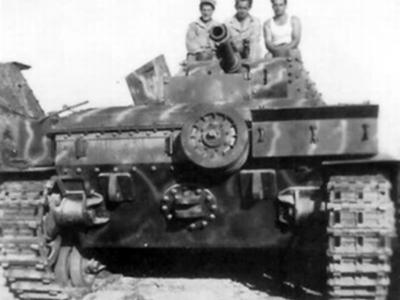
Captured P40 rear
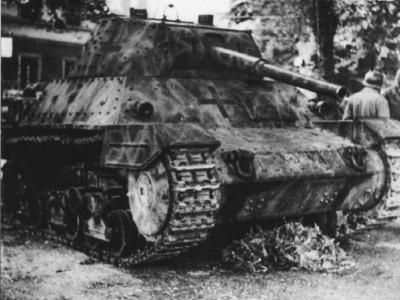
Destroyed Panzerkampfwagen P40 737(i)
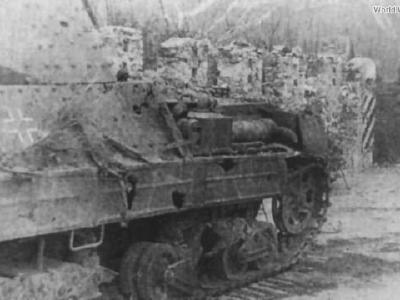
Destroyed Panzerkampfwagen P40 737(i) 3

factory fresh P40 1944 2
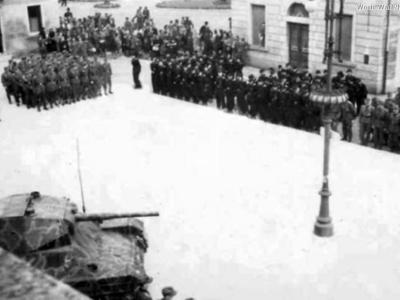
German P40 during ceremony
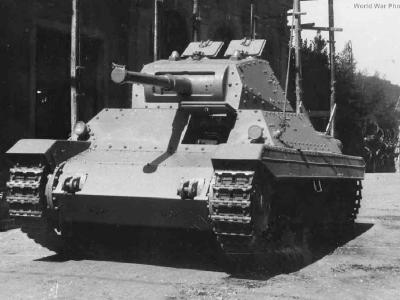
Italian tank P40 1942 5
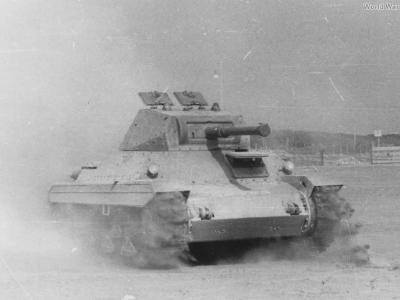
Italian tank P40 1942 7
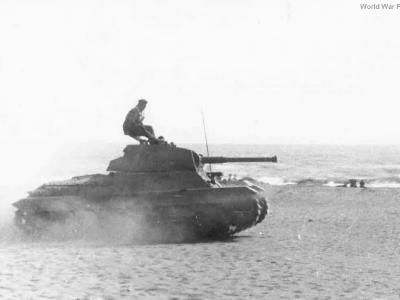
P 40 1942 2
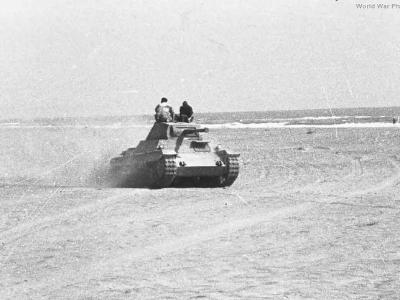
P 40 1942 4
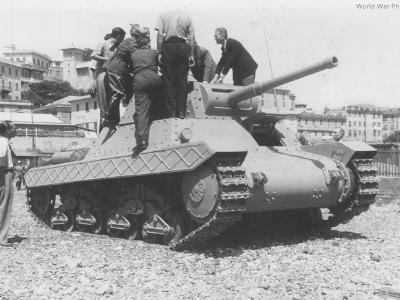
P 40 1942 8
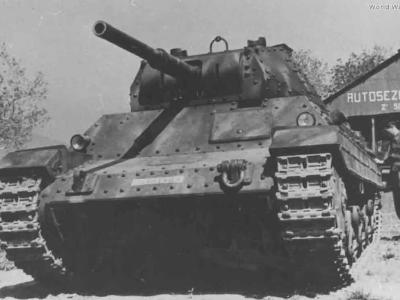
P 40 1945
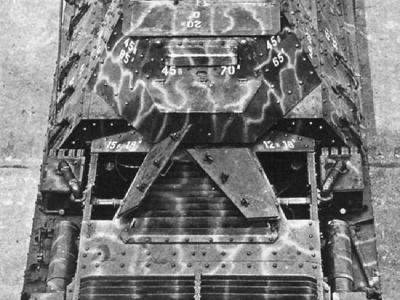
P 40 at Kummersdorf 3
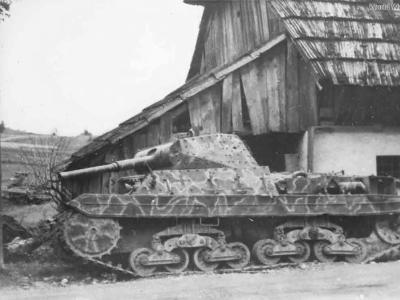
P40 121 of 24. Waffen-Gebirgs-(Karstjäger-)Division der SS Austria 1945
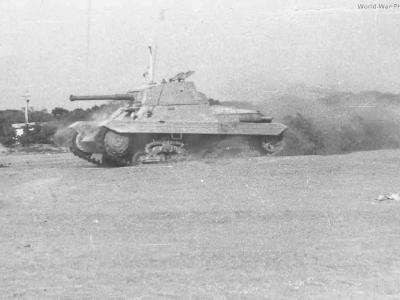
P40 1942
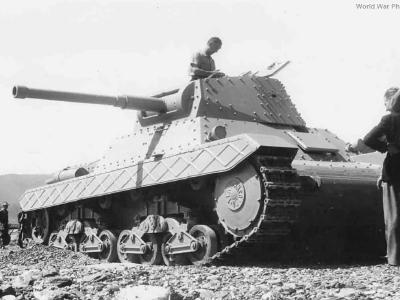
P40 1942 3
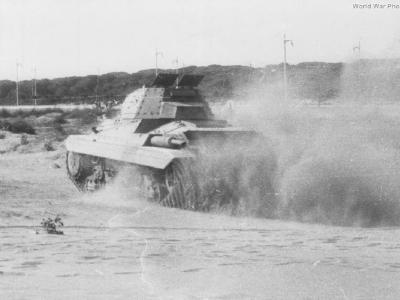
P40 1942 9
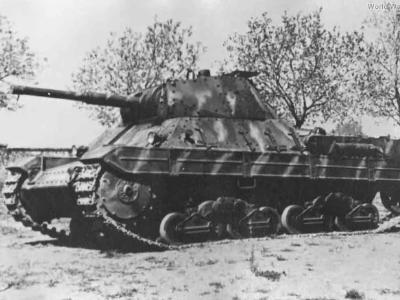
P40 1945 2
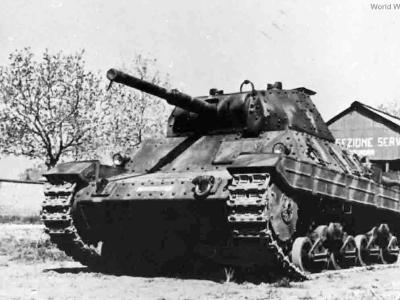
P40 1945 3
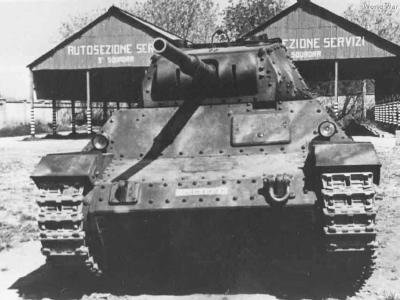
P40 1945 4
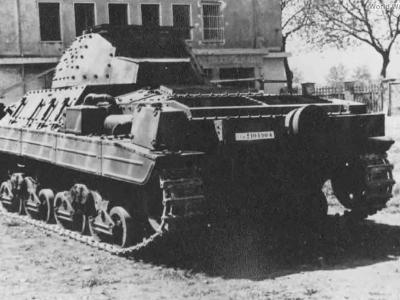
P40 1945 5
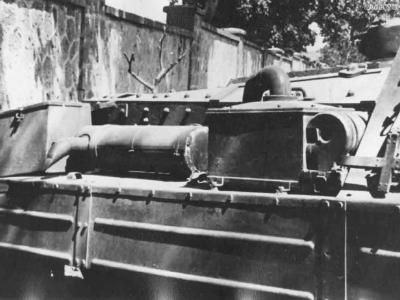
P40 1945 6
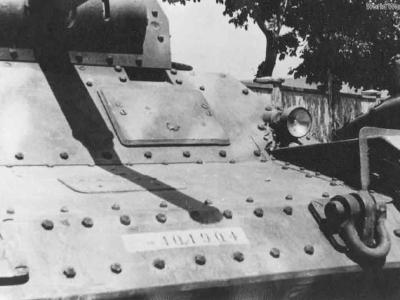
P40 1945 7
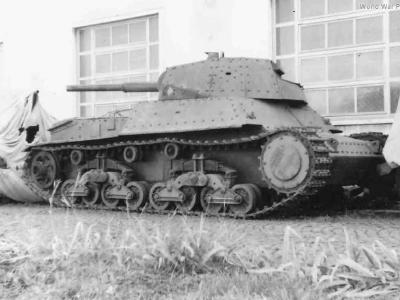
P40 3
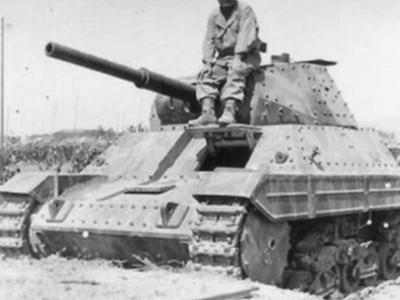
P40 4
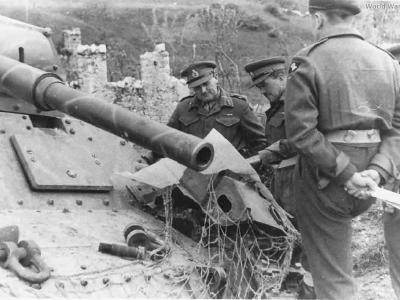
P40 and officers from 6th Armoured Division May 1945
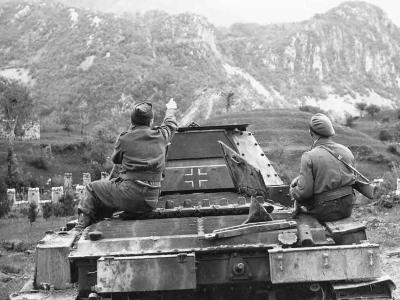
P40 Italy May 1945
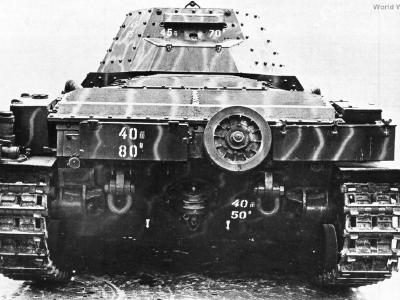
P40 Kummersdorf 1
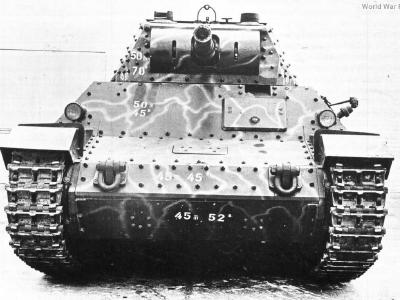
P40 Kummersdorf 2
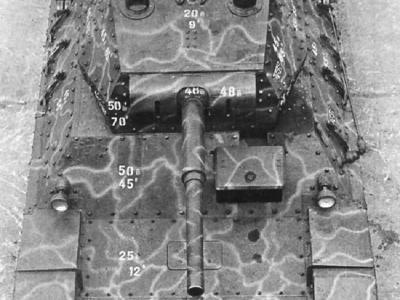
P40 Kummersdorf 4
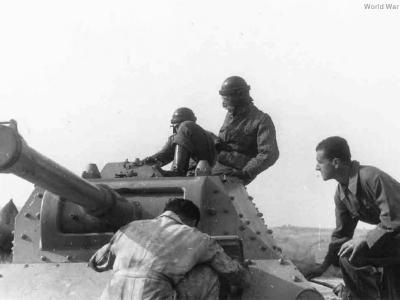
P40 trials 1942 6
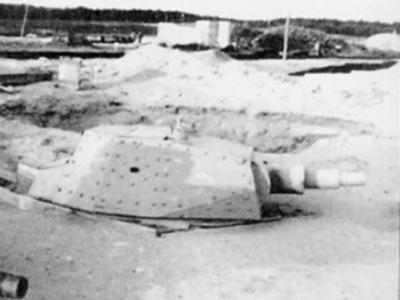
P40 turret
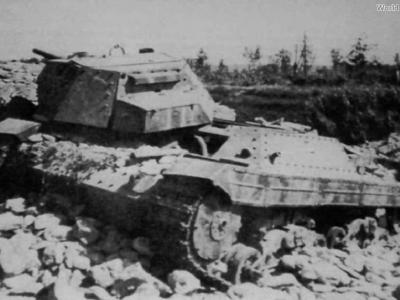
P40 Tuscany 1944
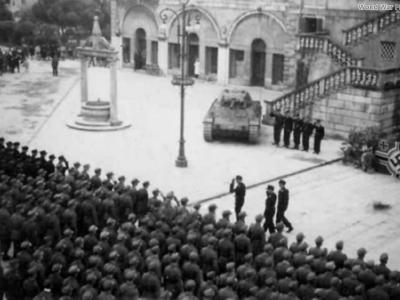
Panzerkampfwagen P40 737(i) 2
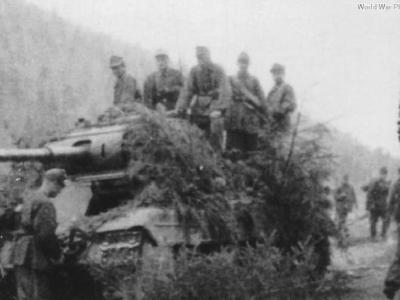
Panzerkampfwagen P40 737(i) 5
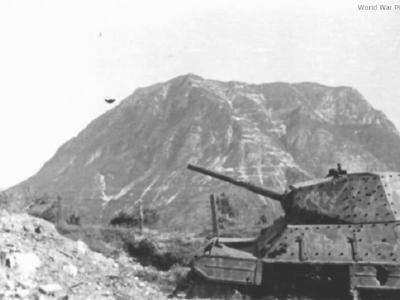
Panzerkampfwagen P40 737(i) 6
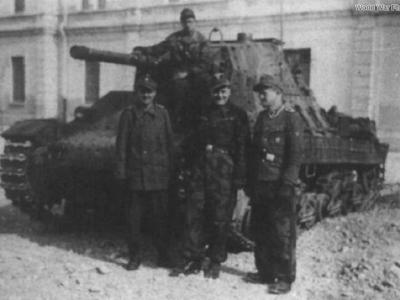
Panzerkampfwagen P40 737(i) of Waffen SS
The Carro Armato P 40 (often designated as the P 26/40) represented the culmination of Italian armored vehicle design during the Second World War. Developed by principal designer Giuseppe Rosini at the Ansaldo works, the vehicle was intended to provide the Regio Esercito with a heavy breakthrough tank capable of matching modern Allied and Soviet designs. In the specific context of Italian military nomenclature, the "P" designated the vehicle as Pesante (heavy), while "26" referred to its initial intended weight in metric tons and "40" indicated the year of its official adoption.
Origins and Strategic Doctrine
The requirement for a heavy tank was first considered in 1938, though development was initially hampered by shifting military priorities. Interwar Italian doctrine favored light, highly mobile tanks suited for mountainous border regions, which imposed weight restrictions based on the capacity of small mountain bridges. Consequently, the P 40 project was defined as "heavy" primarily because its 26-ton combat weight reached the upper limit of what standard Italian pontoon bridges could support. In August 1940, Benito Mussolini personally accelerated the project, specifying a 25-ton vehicle armed with a 75mm main gun and a crew of five.
Technical Evolution and Design
The P 40's design underwent a significant metamorphosis between 1940 and 1942. The initial 1941 prototype closely resembled an enlarged version of the M 13/40 medium tank. However, following the examination of captured Soviet T-34 tanks provided by German forces, the project was completely redrawn to incorporate modern features such as heavily sloped armor plates.
- Armament: The final production model was armed with a 75/34 Ansaldo gun. This 34-caliber barrel provided a muzzle velocity of approximately 610 meters per second, and while initially intended for 75 rounds, the standard ammunition load was eventually set at 63 to 65 rounds. Secondary armament included a coaxial 8mm Breda Model 38 machine gun, with later production units often featuring a second 8mm machine gun on a turret-top anti-aircraft mount.
- Armor Protection: The tank featured significant improvements in ballistic protection compared to previous Italian designs. The frontal hull and turret armor consisted of 50mm-thick plates, while the sides and rear were protected by 40mm plates. Despite the modern sloped configuration, the construction still utilized riveted and bolted plates rather than the advanced welding techniques becoming standard in German and Allied industries.
- Propulsion: The vehicle was powered by a 330 HP SPA 8V 12-cylinder, liquid-cooled diesel engine. While this powerplant allowed for a maximum road speed of 40 to 42 km/h and an operational range of up to 280 kilometers, the engine suffered from persistent mechanical unreliability.
Production and Service History
The P 40’s entry into service was plagued by industrial delays, including difficulties in mass-producing a high-output diesel engine and the Allied bombing of the SPA engine plant in November 1942. Consequently, only one to three production units were completed before the Italian armistice in September 1943.
Following the surrender, German forces occupied the Ansaldo factories and took control of the P 40 program, designating the vehicle as the Panzerkampfwagen P40 737(i). Under German oversight, approximately 101 units were eventually completed. Due to the continued unreliability of the FIAT diesel engines, nearly 40 of these vehicles were completed without powerplants and were utilized as stationary pillboxes designated as P40 ortsfeste Panzerturmstellung along the Gothic Line defensive positions.
Operational units were primarily assigned to second-line German formations and police units. One company was utilized by the 24th Waffen-SS Karstjäger Brigade for anti-partisan duties on the Italian-Yugoslav border. At least one P 40 is recorded to have seen combat against Soviet forces in April 1945 while assigned to the Kummersdorf Test Center near Schweinfurt. Though technologically a significant leap for the Italian industry, the P 40 reached the battlefield too late and in too few numbers to influence the outcome of the conflict.