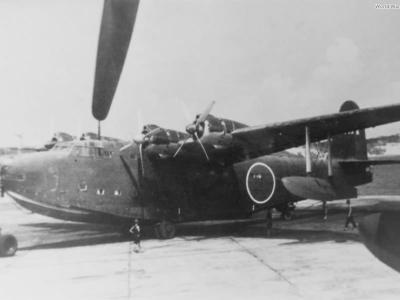
Kawanishi H8K
Click the thumbnails to enlarge them
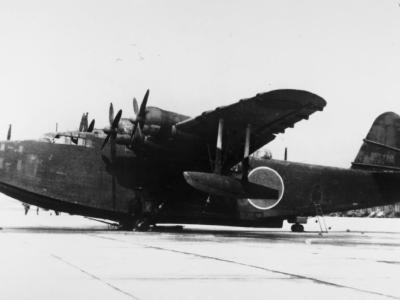
Captured H8K2
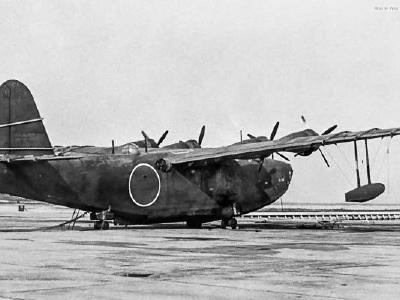
Captured H8K2 Emily
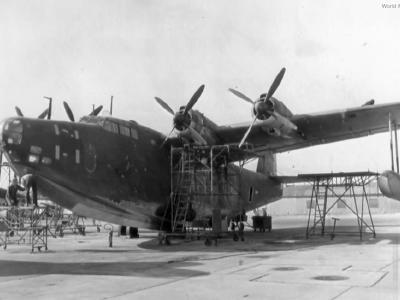
Captured Kawanishi H8K2 1945
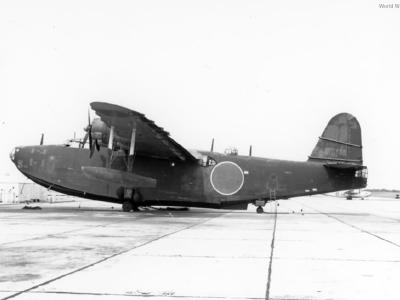
Captured Kawanishi H8K2 2
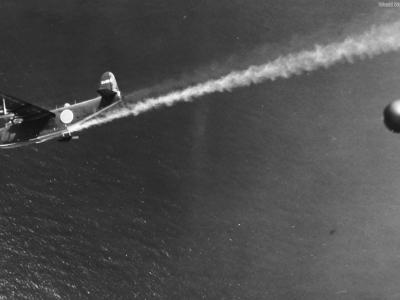
H8K 51-085 going down in Central Pacific, 2 July 1944.
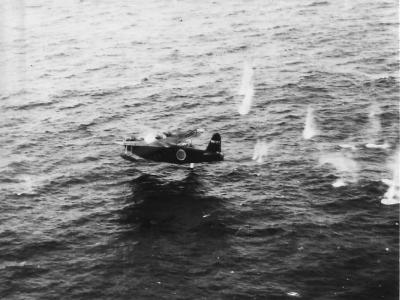
H8K 801-77 under fire from PB4Y of VPB-117 2
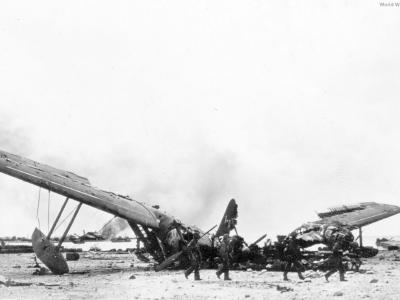
H8K Emily Flying Boat Saipan 1944
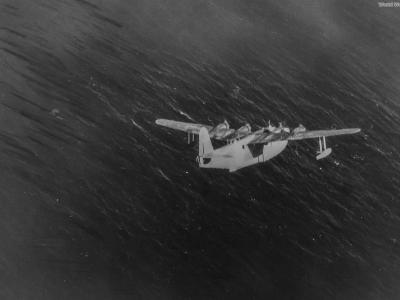
H8K under attack by USN Aircraft 1944
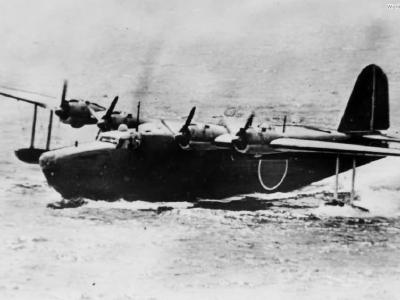
H8K1 Emily
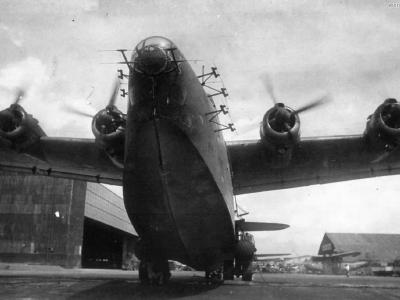
H8K1 Shikishima of Takuma Kokutai with radar Type 6 Mark 4 Mod 3
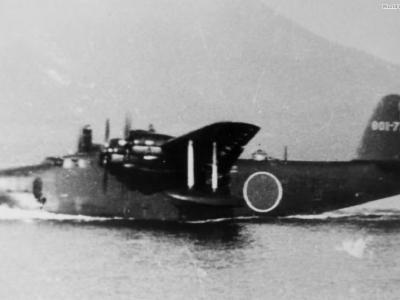
H8K2 "801-77" of the 801 Kokutai
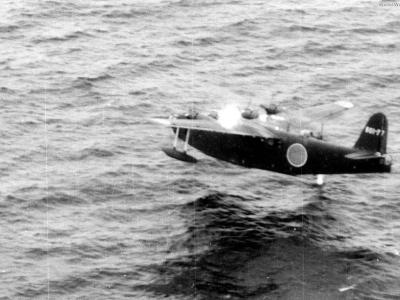
H8K2 801-77 under fire from PB4Y of VPB-117
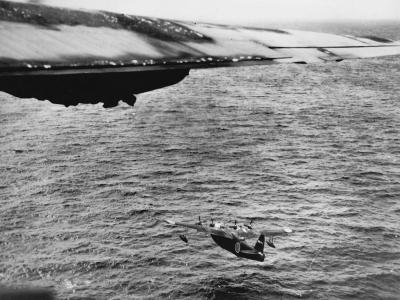
H8K2 attempting to flee from PB4Y 1944
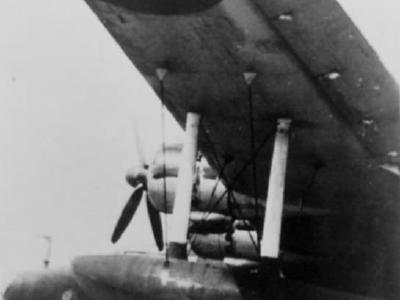
H8K2 left wing
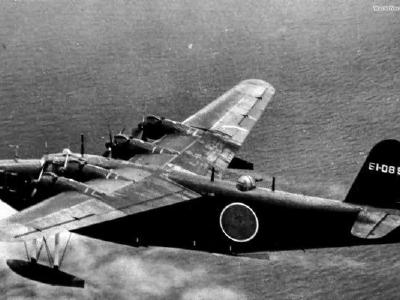
H8K2 of the 851 Kokutai 1944
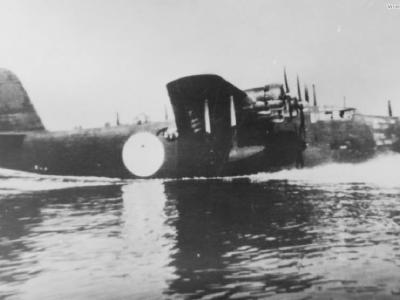
H8K2 on the water
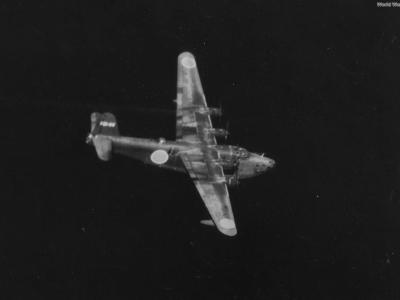
H8K2 under attack by PB4Y-1 1944
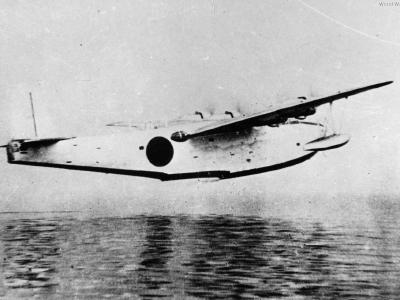
Prototype of H8K1
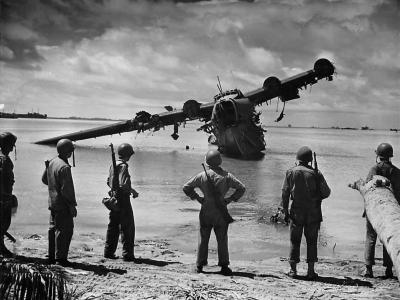
US soldiers inspect wrecked H8K Emily on Makin 1944
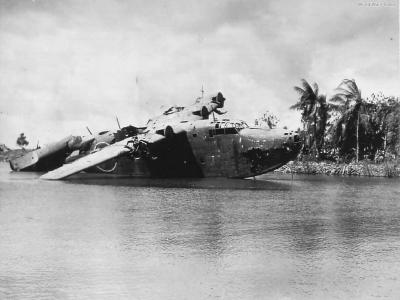
Wreckage of H8K2 on the beach at Butaritari Makin
The Kawanishi H8K Emily (二式大型飛行艇, Type 2 Large Flying Boat. 二式大艇, Nishiki Daitei, Nishiki Taitei) was an Imperial Japanese Navy flying boat used during World War II for maritime patrol and transport duties.
Design and Structure
-
Type: Four-engined Bomber-Reconnaissance flying-boat.
-
Wings:
- Configuration: High-wing cantilever monoplane with straight taper on both leading and trailing edges and dihedral from the roots.
- Structure: Made of metal with a metal covering, featuring high aspect ratio ailerons. There is no information provided on the presence of flaps.
-
Hull:
- Construction: All-metal deep two-step hull with a long nose and high bows. The central section is almost slab-sided, transitioning to an oval section aft. The aircraft is equipped with large strut-braced wing-tip floats.
-
Tail Unit:
- Type: High cantilever tailplane with slight taper on both leading and trailing edges. It includes a large single fin and balanced rudder.
Power Plant
- Engines: Four Mitsubishi Kasei 22 fourteen-cylinder radial air-cooled engines, each producing 1,825 hp.
- Propellers: Four-blade Hamilton type constant-speed airscrews.
- Fuel Tanks: Protected fuel tanks located in the wings.
Accommodation
- Crew: Accommodates ten to twelve crew members, with armor protection.
Armament
- Defensive Positions:
- Nose turret
- Dorsal turret
- Tail turret
- Beam gun positions
- Weapons: The armament includes both 20 mm cannon and 7.9 mm machine-guns.
Dimensions and Weights
-
Dimensions:
- Span: 124 ft. 7 in. (38 m)
- Length: 92 ft. 3 in. (28.1 m)
-
Weights:
- Empty Weight: 34,000 lbs. (15,440 kg)
- Loaded Weight: 68,000 lbs. (30,870 kg)
Performance
- Maximum Speed: 296 mph (472 km/h) at 19,680 ft (6,000 m)
- Cruising Speed: 172 mph (275 km/h)
- Climb to 20,000 ft (6,100 m): 20 minutes
- Service Ceiling: 28,000 ft (8,540 m)
- Maximum Range: 3,000 miles (4,800 km)
This aircraft is designed for long-range missions with significant offensive and defensive capabilities, suitable for maritime patrol, bombing, and reconnaissance tasks. Its design and features reflect a focus on durability and operational flexibility over long distances.