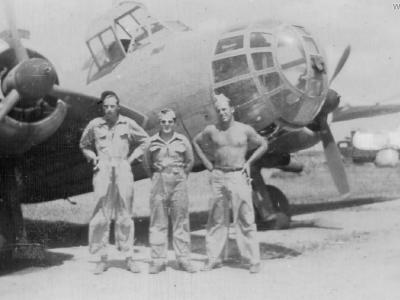
Kawasaki Ki-48
Click the thumbnails to enlarge them
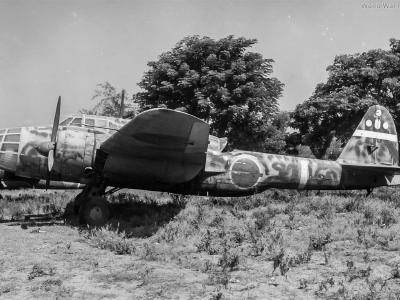
Captured Ki-48 at Clark Field 1945
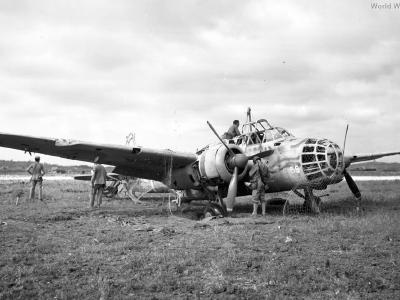
Captured Ki-48 at Sobe Okinawa 1945
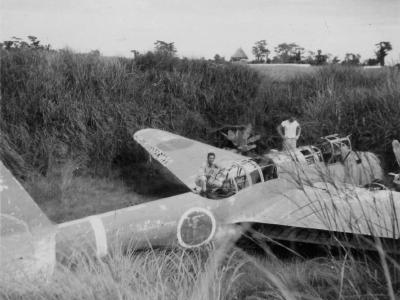
Captured Ki-48 Clark Field 1945
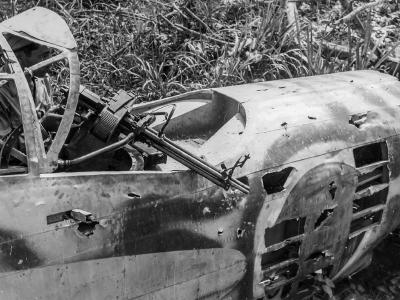
Close Up of Ki-48 rear gun position 1945
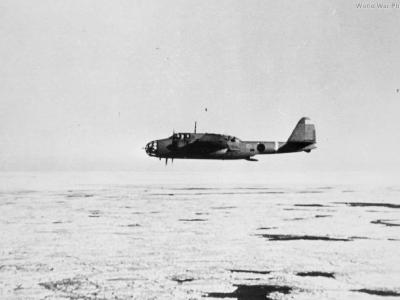
Kawasaki Ki-48 in flight
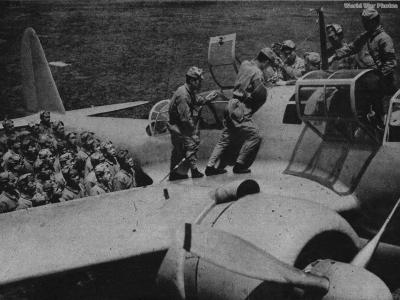
Ki-48 "Lily" 1940
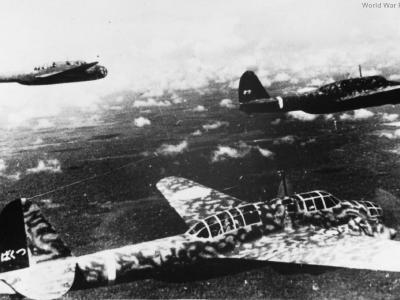
Ki-48 "Lily" bombers of the 75th Sentai in flight 1943
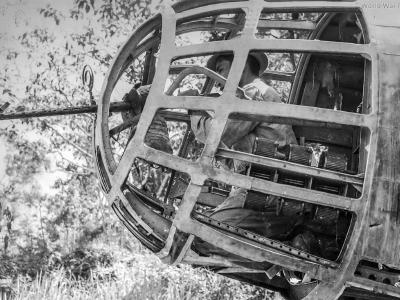
Ki-48 "Lily" nose gun position Clark Field February 1945
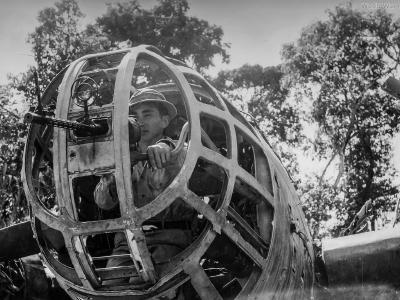
Ki-48 "Lily" nose gun position Clark Field February 1945 2
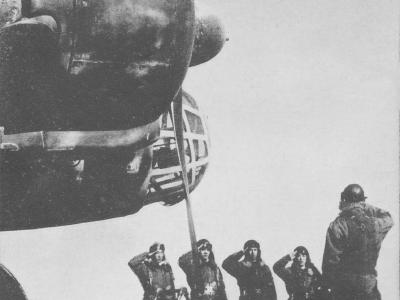
Ki-48 crew
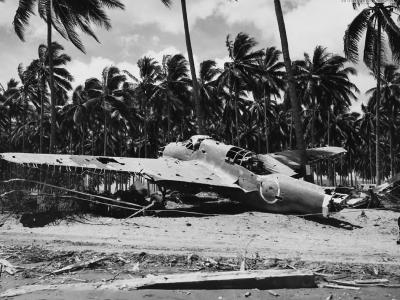
Ki-48 Guadalcanal 1943
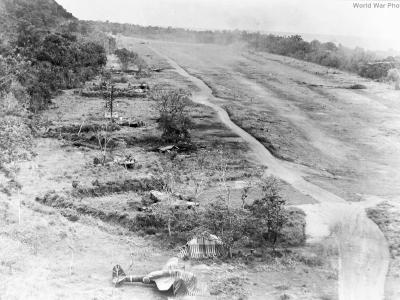
Ki-48 New Guinea 1943
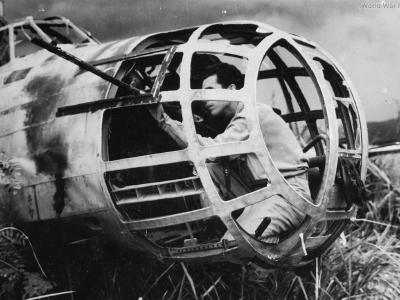
Ki-48 nose gun position Clark Field February 1945 3
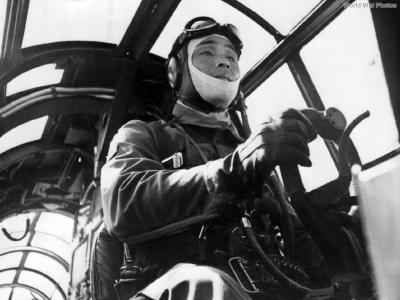
Ki-48 pilot
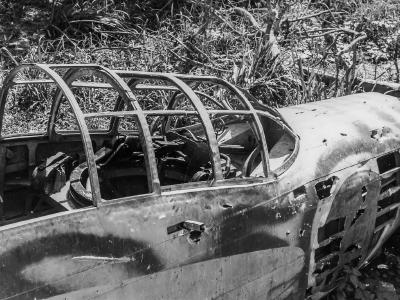
Ki-48 Rear Gun Position 1945
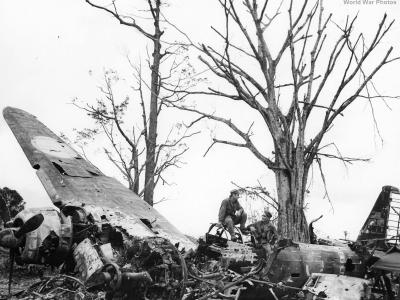
Ki-48 Wreck at Munda Field 1943 August 1943
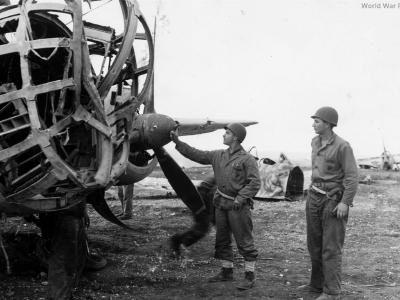
Ki-48 wreck at Yontan Airfield Okinawa 1945
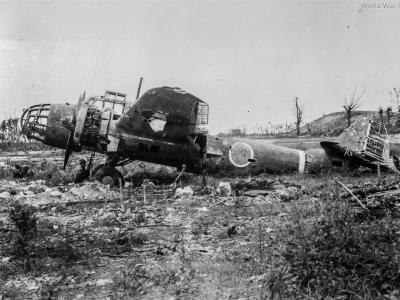
Ki-48 Wreck in Philippines 1945
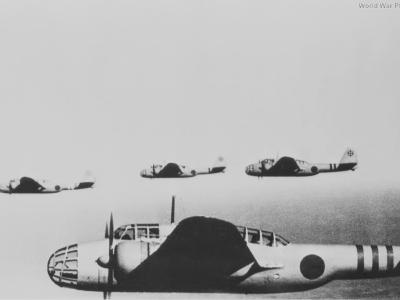
Ki-48-I bombers of Hokata Army Light Bomber Flying School 1940
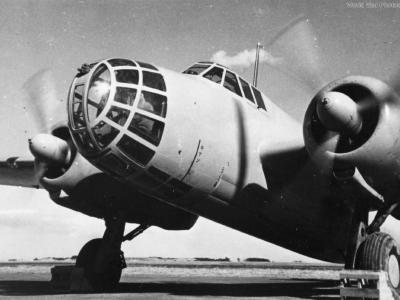
Ki-48-I, Hokota Flying School 1940
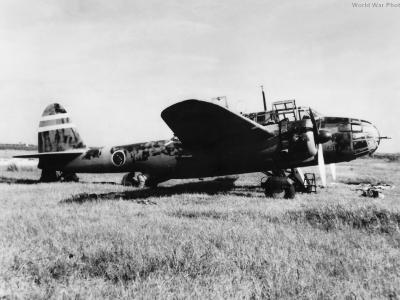
Ki-48-II "Sokei" of the 16 Sentai Manchuria
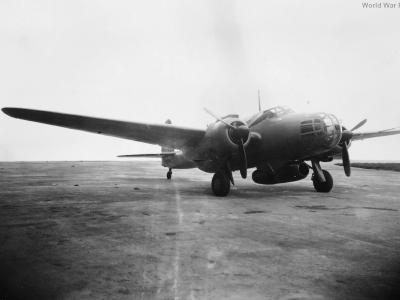
Ki-48-IIb as test bed for Japanese jet engine 1943
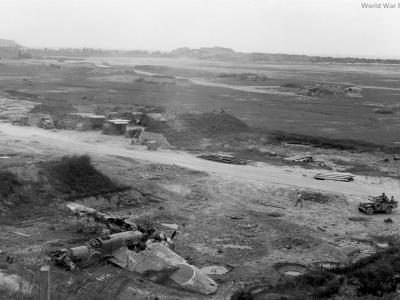
Marine Dodge WC and Ki-48 "Lily" Okinawa in April 1945
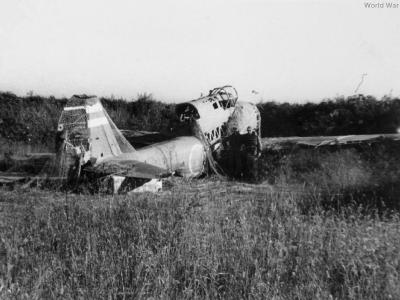
Wreck of Kawasaki Ki-48
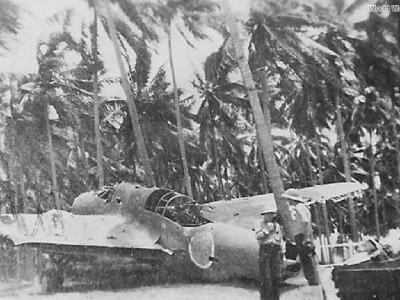
Wreck of Ki-48 2
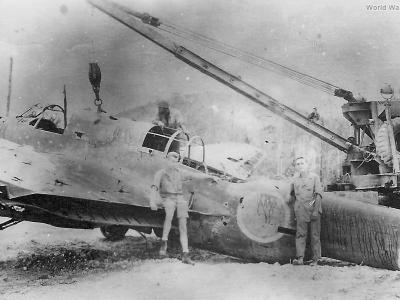
Wreck of Ki-48 bomber
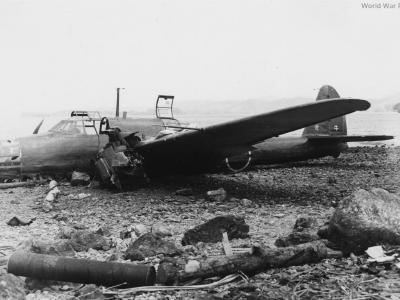
Wrecked Ki-48 on Okinawa 1945
Japanese Army Type 99 Twin-engined Light Bomber that was used during World War II.
Design and Structure
-
Type: Twin-engined Light Bomber
-
Wings:
- Configuration: Mid-wing cantilever monoplane with straight taper on both leading and trailing edges and dihedral from the roots.
- Structure: Made of metal, featuring flaps between the fuselage and engine nacelles, as well as between the nacelles and ailerons. The ailerons are fabric-covered. Landing lights are positioned in the leading edge of both wings, and there is a small fillet on the trailing-edge roots.
-
Fuselage:
- Construction: A deep metal structure extending to the aft of the trailing-edge, with a slender rear section. The covering is made of metal. The bomb stowage is located in the center-section.
-
Tail Unit:
- Type: High cantilever tailplane with a metal covering, fabric-covered elevators, a single metal fin, and a fabric-covered rudder. Trim-tabs on the rudder and elevators are metal.
-
Landing Gear:
- Configuration: Retractable backwards into the engine nacelles, leaving part of each wheel exposed. The tail-wheel is semi-retractable.
Power Plant
- Engines: Two Nakajima Type 2 (Ha 115) fourteen-cylinder radial air-cooled engines, each producing 1,150 hp.
- Nacelles: Underslung nacelles extend to the trailing-edge, equipped with controllable cooling gills.
- Propellers: Three-bladed metal airscrews.
Accommodation
- Crew: Accommodates four or five crew members.
- Positions: Transparent bomb-aiming and gun position in the nose, a covered cockpit just forward of the leading edge, and another covered position over the trailing edge.
Armament and Equipment
- Armament:
- One forward 7.7 mm machine gun
- Two 7.7 mm dorsal machine guns
- One 7.7 mm machine gun in the fuselage step aft of the wing
- Bomb Load: Internally-stowed bomb load of 1,500 lbs (680 kg). All armament is movable.
Dimensions
- Span: 57 ft. 9 in. (17.6 m)
- Length: 40 ft. 6 in. (12.35 m)
Performance
- Maximum Speed: 285 mph (456 km/h) at 14,000 ft (4,270 m)
- Speed at Sea Level: 255 mph (408 km/h)
- Maximum Operational Radius: 500-600 miles (800-960 km)